




No one expects to wake up to a defaced website or corrupted business data—but it happens more often than you might think. Today’s attackers don’t always want to steal; sometimes, they want to leave a mark, disrupt your operations, or simply cause chaos. These incidents fall under a growing threat known as cyber vandalism—and they’re becoming more frequent.
According to a study by the University of Maryland, on average, there is a hacker attack every 39 seconds. That means hundreds of attempted intrusions every day—some designed not to extract value but to destroy it.
| As Orrin Klopper, CEO of Netsurit, says, “Cyber vandalism is digital sabotage—meant to embarrass, disrupt, or damage without warning or profit.” |
In this blog, you’ll learn what cyber vandalism is, why it’s a serious risk to your organization, how these attacks work, and what steps you can take to defend against them. Even if you’ve never been targeted before, now is the time to prepare.
What Is Cyber Vandalism?
At its core, cyber vandalism refers to the deliberate and unauthorized act of damaging, defacing, or altering digital property. Unlike financially driven cybercrime, its aim isn’t to steal—it’s to disrupt. Whether it’s defacing a website or corrupting internal data, the intent is often reputational harm or ideological messaging.
If you’ve ever wondered what cyber vandalism is, it’s essentially the digital version of smashing windows or graffiti on a storefront—but aimed at your website, systems, or data. And the stakes are rising. By 2027, cybercrime is projected to cost the world $23 trillion—a 175% increase over 2022. While cyber vandalism might not always involve direct financial theft, it plays a significant role in the broader threat landscape.
The cyber vandalism definition includes:
- Altering website content
- Injecting offensive or misleading messages
- Corrupting or erasing critical data
- Disrupting the visual or functional integrity of systems
It’s not always about the impact on your files—it’s about what the attacker wants your users to see, feel, and think.
Types of Cyber Vandalism You Should Know
Cyber vandalism takes many forms. Each method causes a unique kind of damage and may require a different defense strategy. Understanding them is your first step toward protection.
1. Website Defacement
One of the most visible forms, website defacement replaces your homepage or web content with unauthorized images, text, or even political messages. Attackers often leave their tag, logo, or signature. Some embed malware or phishing links within the defaced content.
2. Code Injection Attacks
Attackers may not replace your entire website but instead insert malicious scripts. These could redirect visitors to other sites, harvest login credentials, or display unauthorized content intermittently—making detection difficult.
3. Destruction or Corruption of Data
This aligns closely with the data vandalism definition. Attackers manipulate or delete files in your databases, overwrite logs, or alter timestamps. It creates confusion, disrupts workflows, and compromises data integrity.
4. Digital Graffiti on Internal Systems
Sometimes, the target isn’t public. Hackers gain access to internal platforms like dashboards, intranet portals, or company displays and inject profanity, images, or confusing messages.
5. Social Media and Third-Party Platform Vandalism
If your accounts are compromised, attackers can deface your brand’s social presence. They may post offensive content, change profile visuals, or message followers—causing major reputational fallout.
Stop Cyber Vandalism Before It Stops You
Protect your business from digital defacement, and downtime with proven cybersecurity strategies. Learn More
The Business Impact of Cyber Vandalism
Cyber vandalism isn’t just an inconvenience—it’s a direct hit to your operations, trust, and bottom line.
Who’s Behind the Attacks—and Why?
Attackers vary widely, but their motives usually fall into a few key categories:
- Hacktivists: They deface sites or systems to spread political or social messages.
- Disgruntled insiders or ex-employees: They may target internal systems as revenge.
- Script Kiddies: Amateur hackers using pre-built tools to cause chaos for fun or bragging rights.
- Competitors or economic saboteurs: Rare, but possible in some sectors.
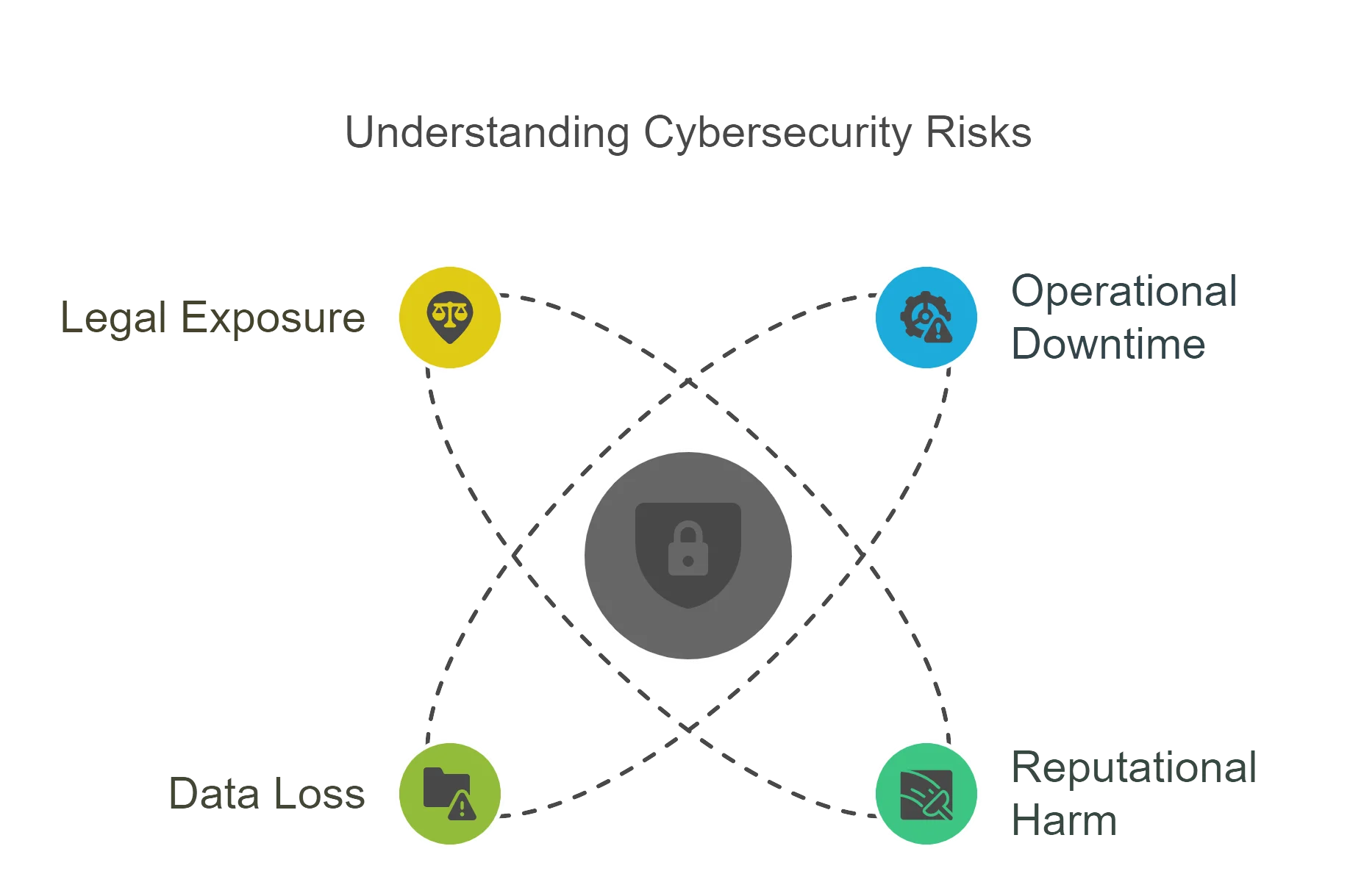
Consequences You Could Face
- Operational Downtime: Critical systems or websites may be taken offline, halting business.
- Reputational Harm: Clients and visitors will lose confidence in your brand.
- Data Loss: Important data could be irreversibly overwritten or deleted.
- Legal Exposure: If cyber vandalism leads to a compliance violation, you may face regulatory action.
And for many businesses, the damage isn’t just temporary. According to CloudSecureTech 60% of small companies that experience a cyberattack go out of business within six months. That makes proactive protection not just a technical priority—but a business-critical one.
How to Prevent Cyber Vandalism
Preventing cyber vandalism starts with a strong cybersecurity foundation—making your environment harder to exploit and quicker to detect anomalies. Here’s how to strengthen your defenses:
1. Patch and Update Systems Regularly
Outdated software is the easiest entry point for attackers. Apply patches and updates consistently, especially for content management systems, plugins, and APIs.
2. Control Who Has Access
Use role-based access control and limit admin rights to only those who need them. Monitor employee activity and remove credentials immediately when someone leaves your organization.
3. Secure Your Website and Servers
Deploy web application firewalls (WAFs), intrusion detection systems, and malware scanning tools to filter out malicious traffic and unauthorized changes.
4. Monitor for Unusual Activity
Use SIEM tools and set up alerts for file changes, content edits, or suspicious login patterns. Early detection can stop an attack before damage spreads.
5. Educate Your Team
Employees are often the weakest link. Conduct training on social engineering, phishing, and proper account hygiene.
Prevention vs. Response to Cyber Vandalism
| Prevention Tactics | Response Actions |
| Apply software updates and patches | Isolate compromised systems immediately |
| Enforce strict user access permissions | Preserve logs and affected data |
| Use firewalls and malware scanners | Contact a cybersecurity professional |
| Monitor changes and login behavior | Restore from clean backups |
| Train employees on security best practices | Notify authorities or regulatory bodies |
| More articles you might like: |

Strengthen Your Defenses Against Electronic Vandalism
Cyber vandalism is more than just a digital nuisance—it’s a targeted, often ideological attack that can erode trust, interrupt business, and leave long-term damage. Gaining clarity on how these attacks happen, what they look like, and how to stop them is a critical step toward defending your organization.
Netsurit specializes in cybersecurity services that safeguard your digital infrastructure from destructive threats like cyber vandalism. With decades of experience and proactive monitoring, we help you stay ahead of attackers—before they strike.
Contact us today to schedule your consultation and take control of your digital security.
|
Discover Trusted Cybersecurity Services Near You: |
