Why Accounting Efficiency Is Your Growth Bottleneck
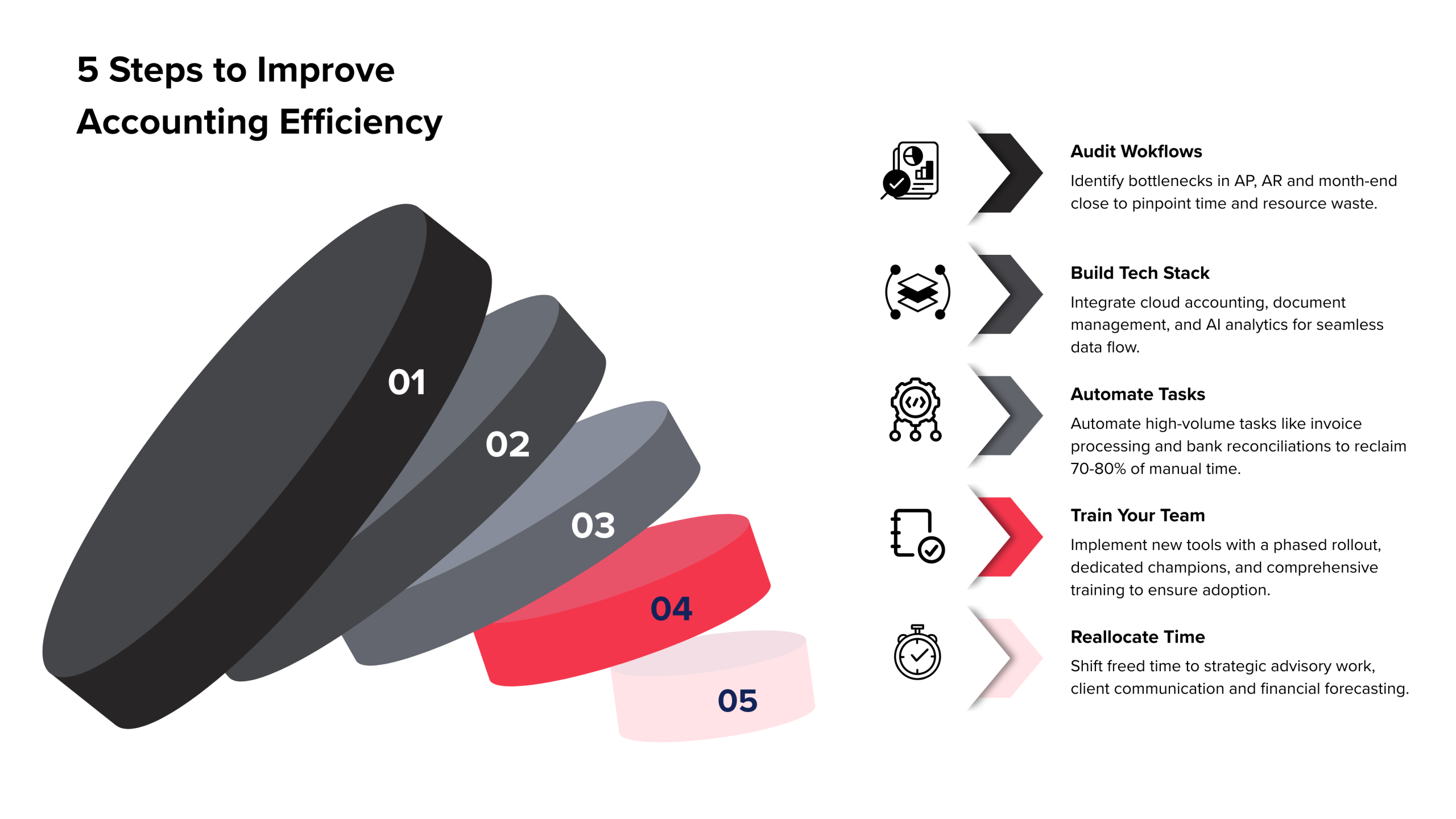
To improve accounting efficiency, you must automate routine tasks, integrate your tech stack, and shift your team from data processing to strategic work. The key steps are:
- Audit workflows to find bottlenecks in manual tasks.
- Build an integrated tech stack with cloud accounting, document management, and AI.
- Automate high-volume tasks like AP, AR, and reconciliations to reclaim time.
- Train your team with a phased rollout and dedicated champions.
- Reallocate freed time to strategic advisory, forecasting, and client communication.
If you’re like 37% of CFOs, you don’t completely trust your own numbers. This isn’t just a data problem—it’s an efficiency crisis. Manual accounting processes bury finance teams in spreadsheets and errors, forcing CEOs to spend 36% of their time in reactive mode instead of planning for growth.
The solution isn’t working harder; it’s working smarter. Technology-mature accounting firms earn 39% more revenue per employee. Firms using AI and automation support 15% more clients, close books 7.5 days faster, and spend 8.5% less time on routine processing.
The path is clear: automate the routine, integrate your systems, and free your team for strategic work that drives business value.
I’m Orrin Klopper, CEO of Netsurit. For 30 years, I’ve helped businesses—including accounting firms—modernize their IT to improve accounting efficiency and drive growth. This playbook shows you how to diagnose inefficiencies, build the right tech stack, and transform your team from data processors into strategic advisors.
Diagnose Your Inefficiencies: The First Step to a Leaner Practice
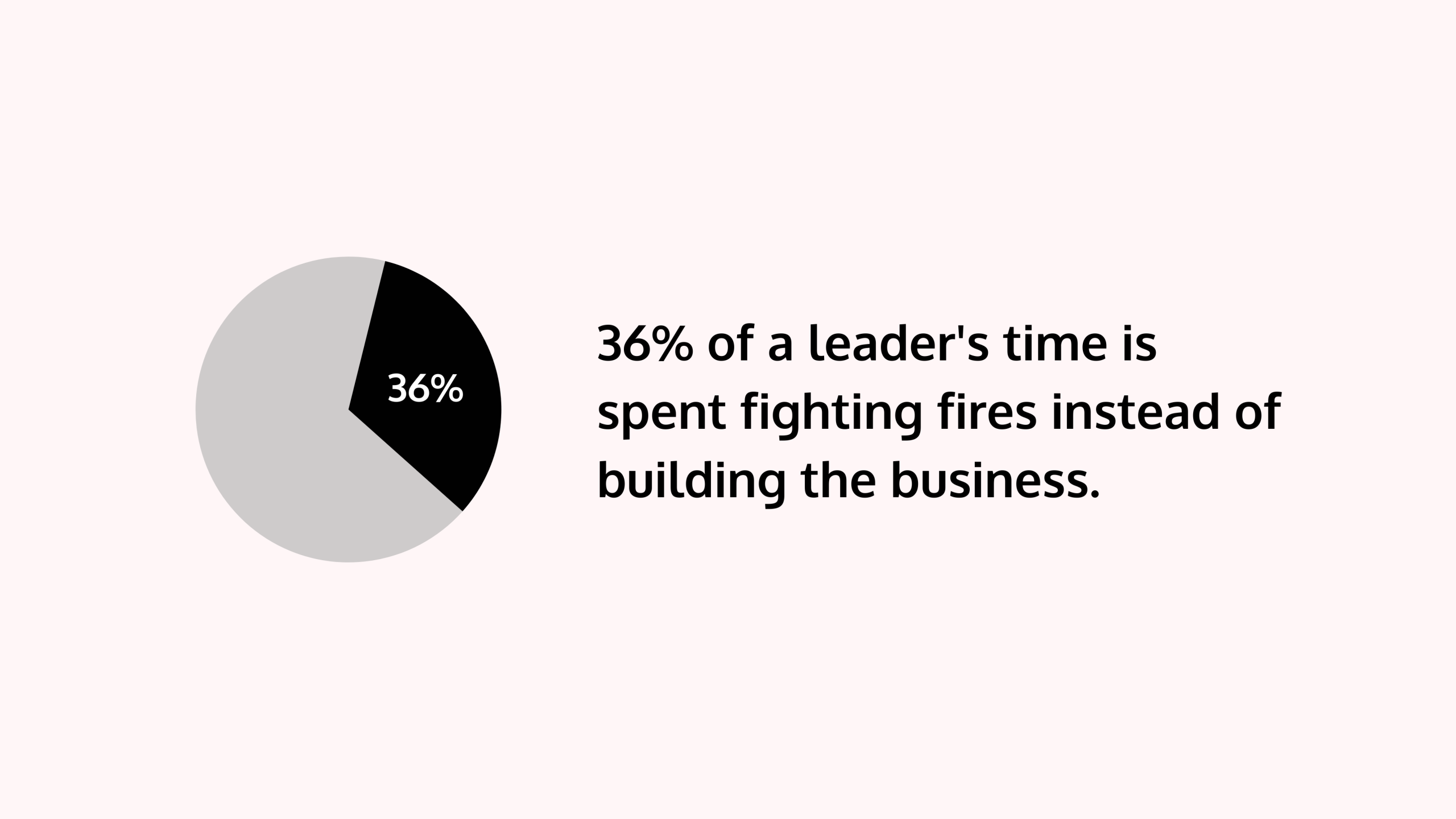
You can’t fix what you can’t see. Before you can improve accounting efficiency, you need to know where your time is disappearing. For many firms, a lack of visibility into their own workflows means 36% of a leader’s time is spent fighting fires instead of building the business. The solution is a systematic audit of your processes.
Identifying Bottlenecks in Your Record-to-Report Process
Your record-to-report process is where most inefficiency hides. We see the same patterns in firms across Houston, Sugarland, Conroe, and Katy: talented accountants spending their days on tasks a computer could handle.
Manual data entry is a primary bottleneck. Over 60% of finance teams type invoices by hand, and 36% copy-paste from spreadsheets. This work, along with manual expense categorization and transaction coding, consumes over a quarter of a team’s time—climbing to 44% for larger firms—and introduces constant risk of error.
Accounts payable and receivable are also major time sinks. AP consumes an average of 10 hours per week in manual processing, yet automation can save 70-80% of that time. In AR, teams spend hours chasing payments. Together, some firms lose over 90 hours a month to manual AP/AR processing that could be automated.
The month-end close reveals the true cost. Nearly half of all finance time is spent on transactions, not analysis. AI-powered firms cut their close time by 7.5 days. Similarly, 56% of teams still perform bank reconciliations manually, leading to significant time spent fixing errors after the fact.
These bottlenecks explain why 37% of CFOs don’t fully trust their financial data. Our IT Audits and Assessments can map these inefficiencies and show you where to start.
Measuring What Matters: Setting Your Efficiency Baseline
Once you know where the problems are, you need to quantify them. The right metrics turn vague frustrations into measurable targets and prove ROI.
- Time per engagement: Track how long it takes to complete standard services, like monthly bookkeeping or tax returns, to establish a baseline.
- Revenue per employee: This is a key efficiency metric. Tech-mature firms earn 39% more revenue per employee, showing the direct financial return on investment.
- Client satisfaction ratings: Track client feedback on turnaround times and accuracy. This drives retention and referrals.
- Turnaround time for deliverables: Measure the time from receiving client data to delivering reports. Speed is a key competitive advantage.
- Monthly close duration: Track the days it takes to finalize your books. Firms using AI have cut this by 7.5 days, gaining over a week of strategic time.
Build Your Tech Stack to Improve Accounting Efficiency
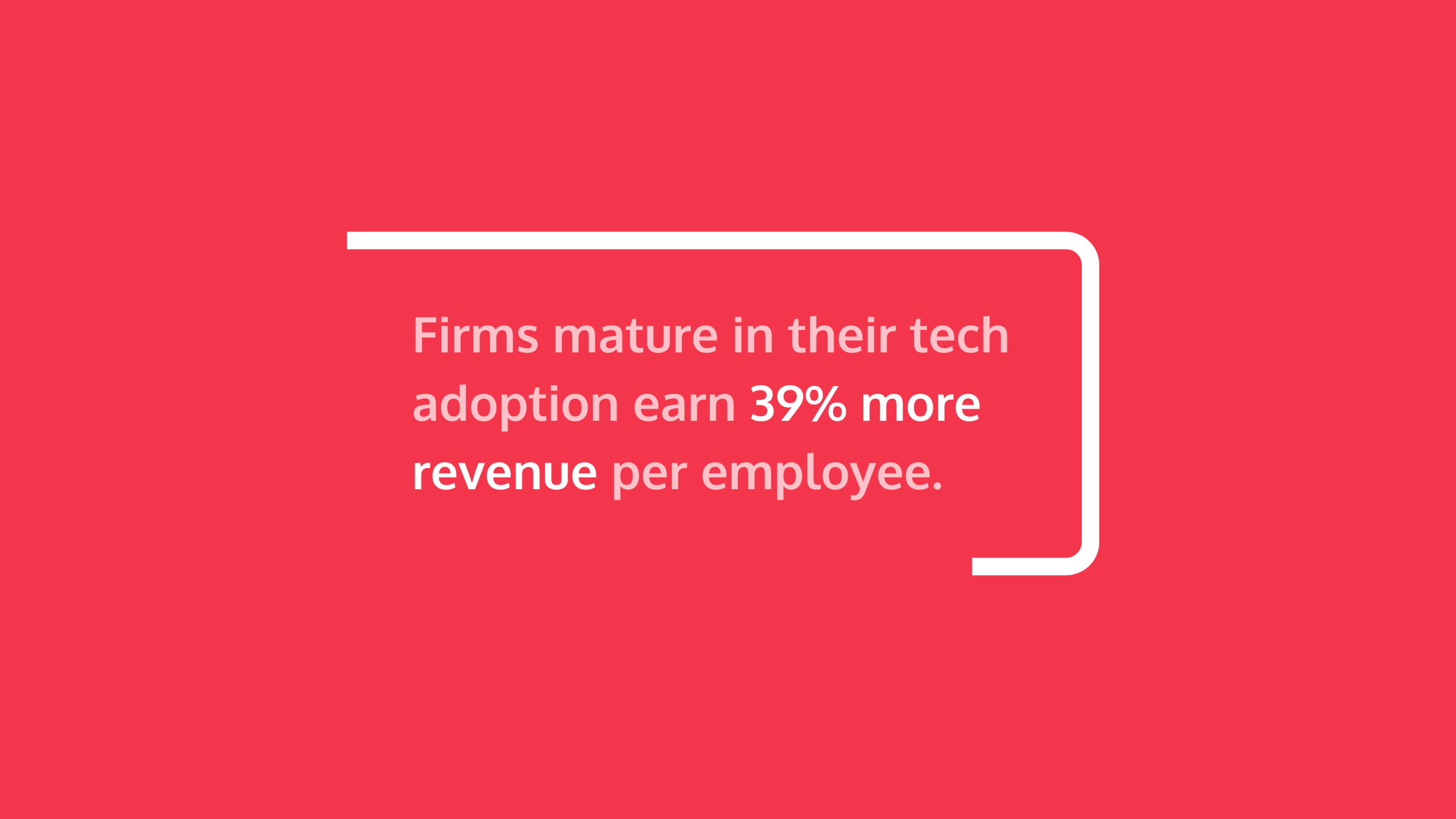
Technology is the engine of modern accounting. Firms mature in their tech adoption earn 39% more revenue per employee. The goal is not to accumulate tools, but to build an integrated system where data flows seamlessly, automating low-value tasks and providing a single source of truth.
Foundational Tools: Cloud and Document Management
Your tech stack’s foundation in Houston, Sugarland, Conroe, and Katy, Texas, should be cloud accounting software and a robust document management system.
Cloud accounting is essential infrastructure, yet only 35% of finance teams have adopted it. Moving to the cloud provides real-time data access, eliminating version-control issues, and enables remote collaboration, which is critical for distributed teams and responsive client service. Our Cloud Services can manage this transition without disrupting client work.
Pairing cloud accounting with a Document Management System (DMS) like DocuWare eliminates another major time sink: hunting for files. A DMS provides version control, secure access, and instant retrieval via search, saving hours and reducing errors from outdated information.
Advanced Levers: How to Improve Accounting Efficiency with AI and Analytics
With a solid foundation, you can add technologies that truly improve accounting efficiency: AI and data analytics. These are working tools that help firms handle more clients with the same staff.
AI excels at repetitive tasks. It can automate bookkeeping by classifying transactions and extracting invoice data, letting accountants spend 8.5% less time on routine processing and support 15% more clients. For reporting, generative AI helps firms produce more detailed reports and close their books 7.5 days faster. However, AI has limits and can misclassify unusual transactions, which is why it augments human judgment rather than replacing it. Our AI Productivity solutions help identify tasks ripe for automation.
Data analytics tools like Microsoft Power BI turn financial data into clear insights. They help visualize metrics, spot trends, and forecast cash flow with interactive dashboards. These tools also offer anomaly detection to flag potential errors or fraud and improve financial forecasting. This combination transforms your practice from a backward-looking compliance shop into a forward-looking advisory firm.
Workflow and Project Management
Technology doesn’t just process data—it also coordinates people. Practice management platforms like Trello centralize client engagements, tracking deadlines, tasks, and communication in one place. Time tracking software ensures all billable hours are captured accurately. Embedding standardized workflows into these tools ensures consistency and quality. While these systems require setup, the payoff in coordination, accurate billing, and predictable delivery justifies the investment.
Implement Your Technology Strategy Without Disrupting Your Firm
New technology promises to improve accounting efficiency, but only if your team uses it. A successful rollout depends on how you introduce it, train your people, and manage change.
A Step-by-Step Implementation Roadmap
A phased, deliberate approach minimizes chaos and gives your team time to adjust.
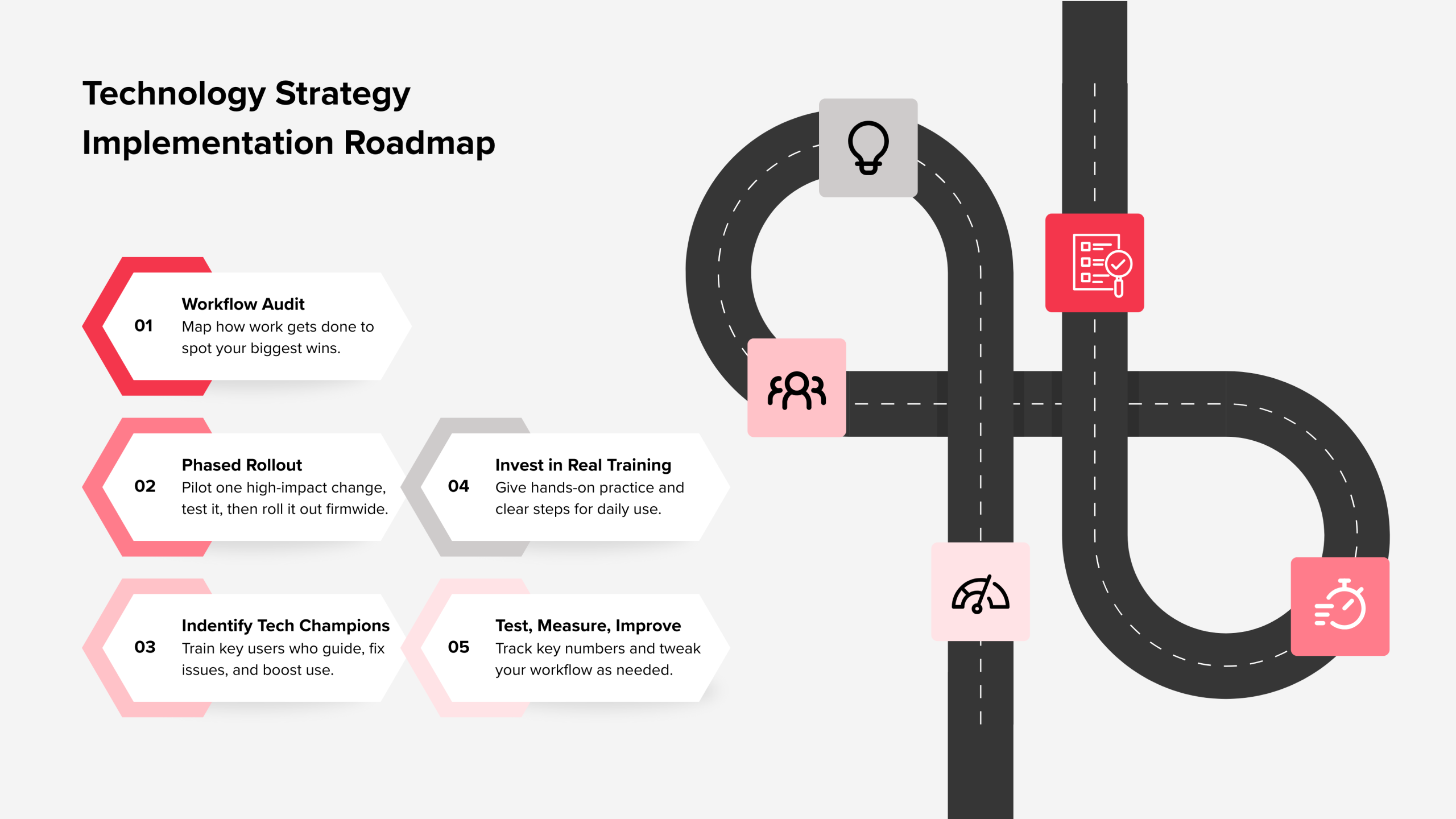
- Start with a workflow audit. Before buying anything, map how work gets done to find where automation will deliver the biggest return. Our IT Audits and Assessments can provide this diagnostic view.
- Roll out in phases. Pilot one high-impact solution, like automating invoice processing, with a small group. Gather feedback, fix issues, then expand to the rest of the firm.
- Designate tech champions. Train enthusiastic team members to be internal experts who can troubleshoot issues, answer questions, and encourage adoption.
- Invest in real training. Go beyond a simple demo. Your team needs hands-on practice and clear documentation showing how the new tool fits their daily workflow.
- Test, measure, and iterate. Track your baseline metrics (e.g., close time, revenue per employee) to prove ROI. Be ready to adjust workflows based on user feedback. A Business IT Strategy can align these tools with your firm’s goals.
Avoiding Common Pitfalls in Tech Adoption
Even well-intentioned firms in Houston, Sugarland, Conroe, and Katy can stumble during implementation. These common pitfalls are avoidable.
- Tool overload: Avoid a patchwork of standalone apps. Choose fewer, integrated platforms to prevent creating new data silos.
- Poor integration: If new tools can’t push data to your accounting system, you’re just creating more manual work. Confirm integrations before you buy.
- Inconsistent adoption: If only half the team uses a new system, you’ll have data discrepancies and frustration. Drive firm-wide adoption with strong leadership.
- Ignoring security: Every new tool expands your attack surface. Prioritize security from day one. Our Cyber Risk & Compliance services can help build defenses that scale with your technology.
When implementation works—and when it doesn’t:
- Works best when: You have a clear project champion and a phased rollout plan targeting one major pain point at a time.
- Avoid when: Your team lacks basic digital literacy or you have no budget allocated for comprehensive training.
- Risks: Staff resistance; data migration errors; new security vulnerabilities.
- Mitigations: Involve the team in the selection process; run a pilot program with a small group; conduct a Cyber Risk Assessment before and after implementation.
Move from Bookkeeper to Strategic Advisor
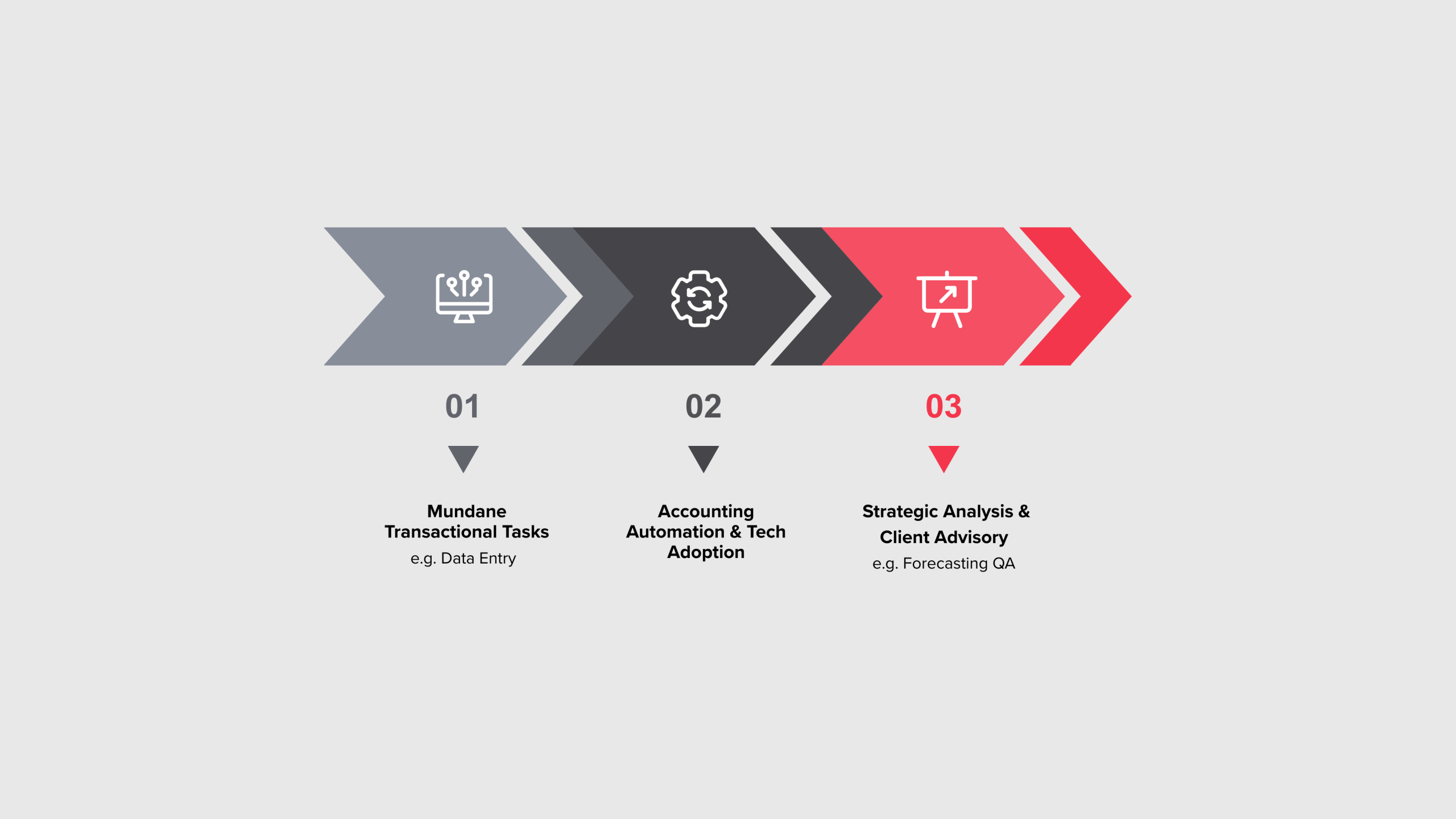
The ultimate goal of efficiency is not just to do the same work faster, but to free your team for higher-value strategic activities. By automating routine tasks, you can reallocate approximately 8.5% of your accountants’ time from data entry to client communication, quality assurance, and financial forecasting.
How Automation Frees Up Time for High-Value Work
The goal of efficiency isn’t just saving time; it’s changing what your team does. Automation can reverse the equation where nearly half of finance time is transactional and less than 10% is analytical.
Instead of drowning in data entry, your team can build financial forecasts to help clients in Houston, Sugarland, Conroe, and Katy make better decisions. They can have deeper business communication, understanding client goals, not just their numbers. Quality assurance also improves, as senior staff can focus on strategic review—spotting nuances AI might miss—instead of basic processing.
The shift is measurable. Research on human and AI in accounting found that automation moves about 8.5% of an accountant’s time from routine entry to high-value tasks. As one researcher put it, automation handles “the laundry” so accountants can write “the poetry”—the judgment-based work only humans can do. Our AI Productivity solutions are designed to make this transition practical.
The Human Element: Addressing AI Concerns and Job Evolution
Many accountants worry AI will take their jobs, with 37% expressing concern about job stability. The evidence, however, tells a different story.
A valid concern is AI-generated errors, as 62% of accountants worry about accuracy. AI is not infallible and can misclassify transactions. This is why human oversight is critical. The accountant’s role shifts from data entry to validating AI outputs, ensuring clients can trust the numbers.
Data security is another key concern for 43% of accountants. Adopting AI requires robust cybersecurity, including strict data privacy protocols and regular audits. Our Cyber Risk & Compliance services ensure your firm’s and clients’ data stays protected.
The most important fact is that demand for accountants is growing. The U.S. is projected to add 91,400 accounting jobs by 2033. AI doesn’t replace accountants; it augments them, handling repetitive work so you can focus on complex problem-solving and strategic advice. Like spreadsheets before it, AI is the next step in the profession’s evolution. Our BDO Webinar: AI, Accountants and the Death of Quick Fix explores this partnership in detail.
Frequently Asked Questions about Improving Accounting Efficiency
What are the first accounting tasks I should automate?
To improve accounting efficiency, focus on high-volume, repetitive tasks first. The best candidates for initial automation are accounts payable (invoice processing), bank reconciliations, and expense report management. These offer quick wins in time savings and error reduction, building momentum for further changes.
How do I measure the ROI of new accounting technology?
Measure ROI by tracking key metrics before and after implementation. These include time to close the books (in days), hours spent on manual tasks, revenue per employee, and client satisfaction scores. A good goal is to reduce month-end close time by 2 days or increase revenue per employee by 5% in the first year.
Will AI replace accountants?
No, AI augments accountants, it doesn’t replace them. It automates routine data processing, freeing professionals for complex analysis and strategic advice. The demand for accountants is growing, with the Bureau of Labor Statistics projecting a 6% increase in jobs by 2033. The role is evolving to focus on higher-level skills like data analysis and technology management.
Your Next Move in the Efficiency Playbook
Improving accounting efficiency is a continuous journey, not a one-time fix. The firms we see succeed across Houston, Sugarland, Conroe, and Katy are the ones that commit to ongoing evolution.
The shift from data processor to strategic advisor requires deliberate action. We recommend you start by identifying the single biggest time-waster in your practice. Whether it’s manual invoice entry, a slow month-end close, or tedious bank reconciliations, pick the one bottleneck that causes the most pain and delays.
Then, explore one technology solution to address it. A phased approach allows your team to adapt and builds momentum for future changes. Your competitors are already making these moves, gaining tangible advantages in revenue, speed, and client capacity. Efficiency isn’t just about cost savings; it’s about permanently shifting your firm’s focus from routine work to high-value advisory services.
The path forward requires both the right technology and the right partner. Building an efficient tech stack demands careful planning, integration, training, and robust cybersecurity to protect your firm and your clients. We’ve spent 30 years helping businesses, including accounting firms, steer this change.
Our Accounting Firm IT Services provide the expert guidance and secure infrastructure you need to build a tech stack that supports your firm’s growth. Your next move is clear: pick one inefficiency, choose one solution, and take the first step.