Why CPA Firms Are Prime Targets for Ransomware
CPA firms are targeted by ransomware more than most industries for a simple reason: you hold high-value data but often have weaker security than larger financial institutions. Cybercriminals exploit this gap for financial gain, betting that you are a soft but lucrative target. They know you store rich data troves—from Social Security numbers to M&A documents—and that the pressure of tax season makes you more likely to pay a ransom quickly.
The stakes are high. In 2024, 59% of organizations were hit by ransomware, with average demands for CPA firms exceeding $300,000. An attack can mean 14 to 21 days of downtime, crippling your ability to serve clients. On top of this, regulatory penalties under the GLBA, FTC Safeguards Rule, and IRS audits can lead to six-figure fines and irreparable damage to client trust.
I’m Orrin Klopper, CEO of Netsurit. For 30 years, I’ve helped firms secure their systems against these threats. This article provides a practical roadmap to turn your firm from an easy mark into a hardened target.

The “Why”: A Perfect Storm of Data, Trust, and Vulnerability
CPA firms are targeted at alarming rates because you hold extraordinarily valuable data while often operating with stretched security resources. Cybercriminals hunt strategically, and your firm checks every box on their list.
You’re a Goldmine of High-Value Data
To a cybercriminal, your firm is a vault of Personally Identifiable Information (PII), Social Security Numbers, tax records, payroll data, and sensitive M&A details. This data commands a premium on the dark web. For example, a ransomware group targeting a Katy, TX-based CPA firm with valuation data for an energy company’s merger isn’t just after a ransom; they’re after intelligence for corporate espionage. Unlike stolen credit cards, which are quickly canceled, the data you hold is permanently valuable and exploitable.
The Human Element Creates Open Doors
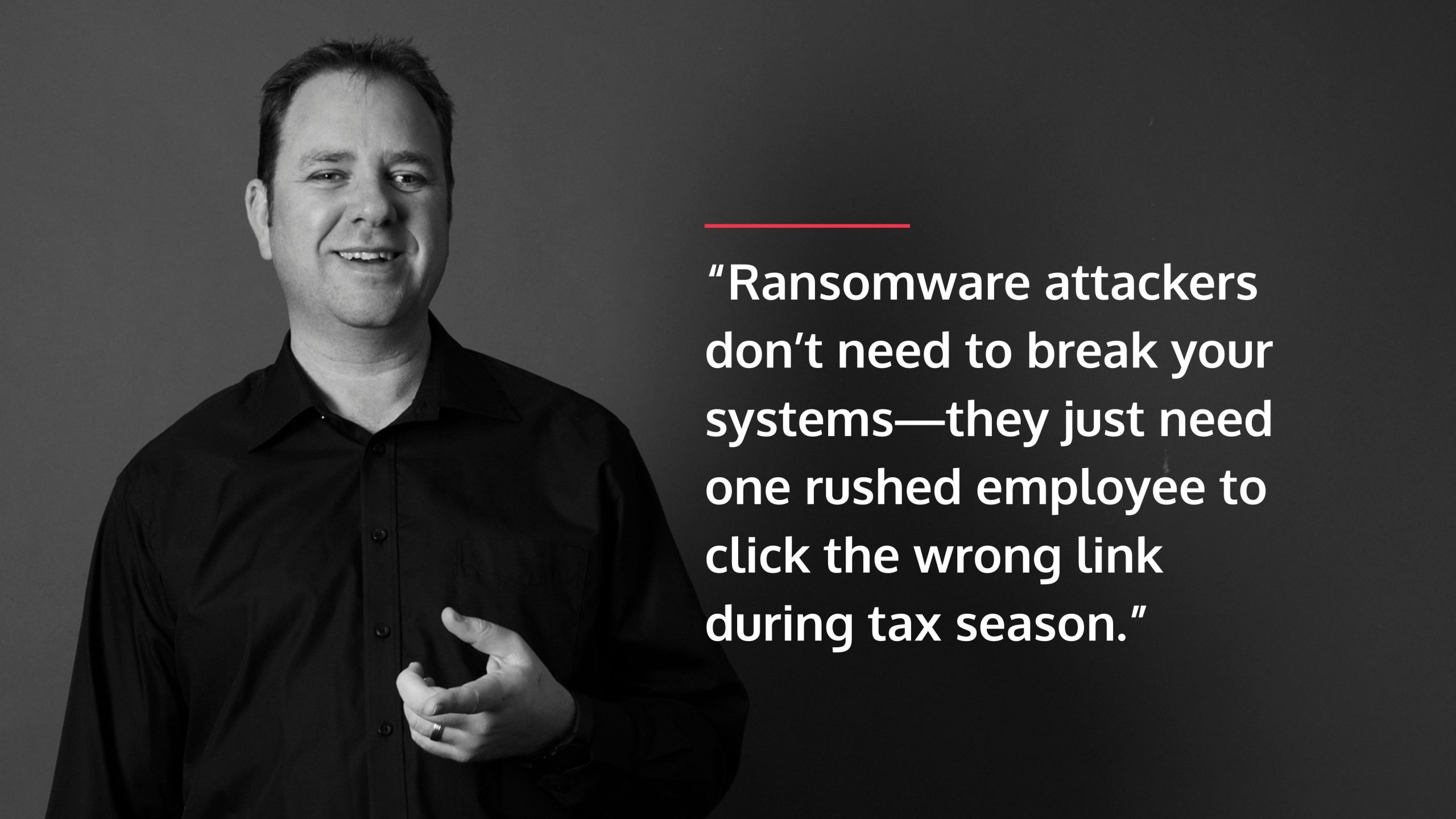
Your firewall and antivirus are useless if an employee clicks the wrong link. Cybercriminals know it’s easier to attack people than technology. Phishing remains the top weapon, with emails disguised as urgent IRS notices or client requests. One click can bypass expensive defenses. Social engineering is a top threat for CPAs because it exploits human trust and urgency.
Other common vulnerabilities include weak passwords, unpatched software, and insecure Remote Desktop Protocol (RDP) connections. The data is clear: 85% of all data breaches in 2021 involved a human element. We’ve seen Houston firms with six-figure security investments compromised because one associate, working late during tax season, clicked a malicious link.
The Attacker’s Calculus: High Return, Low Risk
Cybercriminals calculate their return on investment. CPA firms score high: they’re perceived as easier to breach and more likely to pay. Attackers assume, often correctly, that mid-sized firms lack the dedicated 24/7 security teams of large corporations, making you a softer target. The pressure of tax season further incentivizes a quick payout. Imagine a Conroe, TX firm hit with ransomware on April 10th; a $300,000 ransom seems small compared to business collapse.
Attacking a regional CPA firm in Sugar Land also attracts less attention from federal law enforcement than breaching a major bank. Less heat for a similar payout is an easy choice for criminals. With average ransom demands over $300,000, even a small firm is a lucrative target.
The Anatomy of an Attack: From Phishing Email to Encrypted Files
Most ransomware attacks follow a predictable pattern, starting with a single mistake and escalating into a full-blown crisis. Understanding this progression is key to early detection.
Common Ransomware Tactics
Phishing remains the number one entry point. Modern phishing emails are sophisticated and personalized, perfectly mimicking IRS formatting or client communications to create a sense of urgency. An employee clicks a link, and the breach begins.
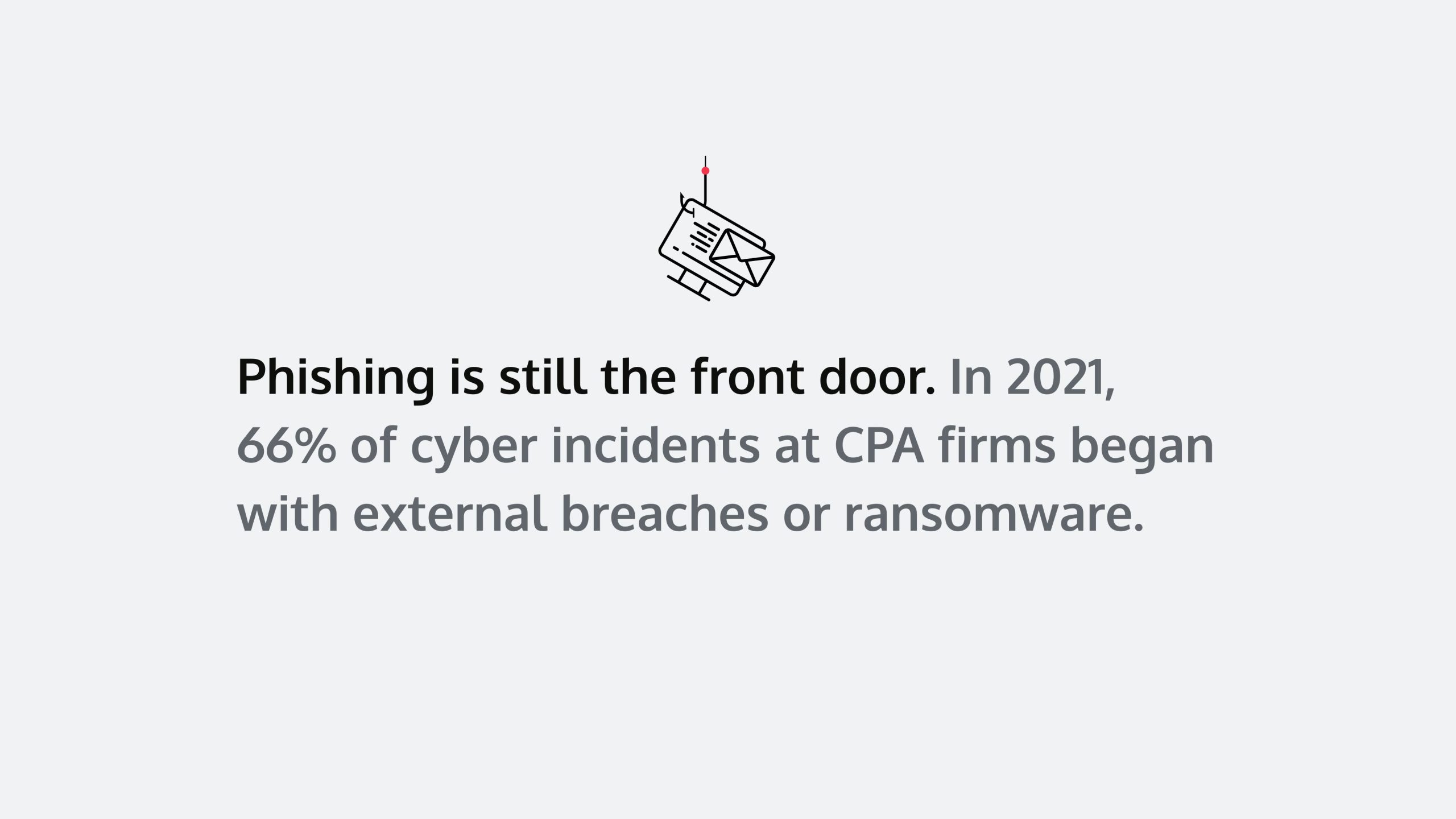
Other common tactics include malicious attachments disguised as W-2s or invoices, drive-by downloads from compromised websites that require no user interaction, and Remote Desktop Protocol (RDP) exploitation. If RDP credentials are weak or stolen, attackers can walk right into your network. Data shows 66% of cyber incidents at CPA firms in 2021 were caused by external breaches or ransomware, proving these common tactics are highly effective.
The Next Wave: AI-Driven Attacks
The threat is evolving. Artificial intelligence is supercharging cybercrime, making attacks more sophisticated and harder to spot.
AI-powered spear phishing uses public information from LinkedIn, news, and social media to craft hyper-personalized emails that reference real clients and mimic a colleague’s writing style. The old advice to “look for typos” is now obsolete.
Deepfake technology is also a growing threat. A scammer recently used an AI-cloned voice of a managing partner at a Conroe, TX firm to authorize a fraudulent six-figure wire transfer. The voice was a perfect match, and the associate complied with what seemed to be a direct order. The money was gone before the fraud was finded.
Automated vulnerability scanning powered by AI allows attackers to probe thousands of networks for weaknesses in minutes. If your firm has an unpatched server or an exposed RDP port, AI tools will find it.
These are not distant threats; our teams in Houston, Katy, and Sugar Land are already defending against them. Your security training must evolve to counter these AI-improved attacks. We recommend reviewing CISA’s guidance on recognizing AI-driven scams and updating your training accordingly.
The Aftermath: Navigating the Financial, Legal, and Reputational Fallout
A ransomware attack triggers a cascading disaster that extends far beyond the initial encryption. Even if you pay, you face months of financial, regulatory, and reputational damage.
The Staggering Cost Beyond the Ransom
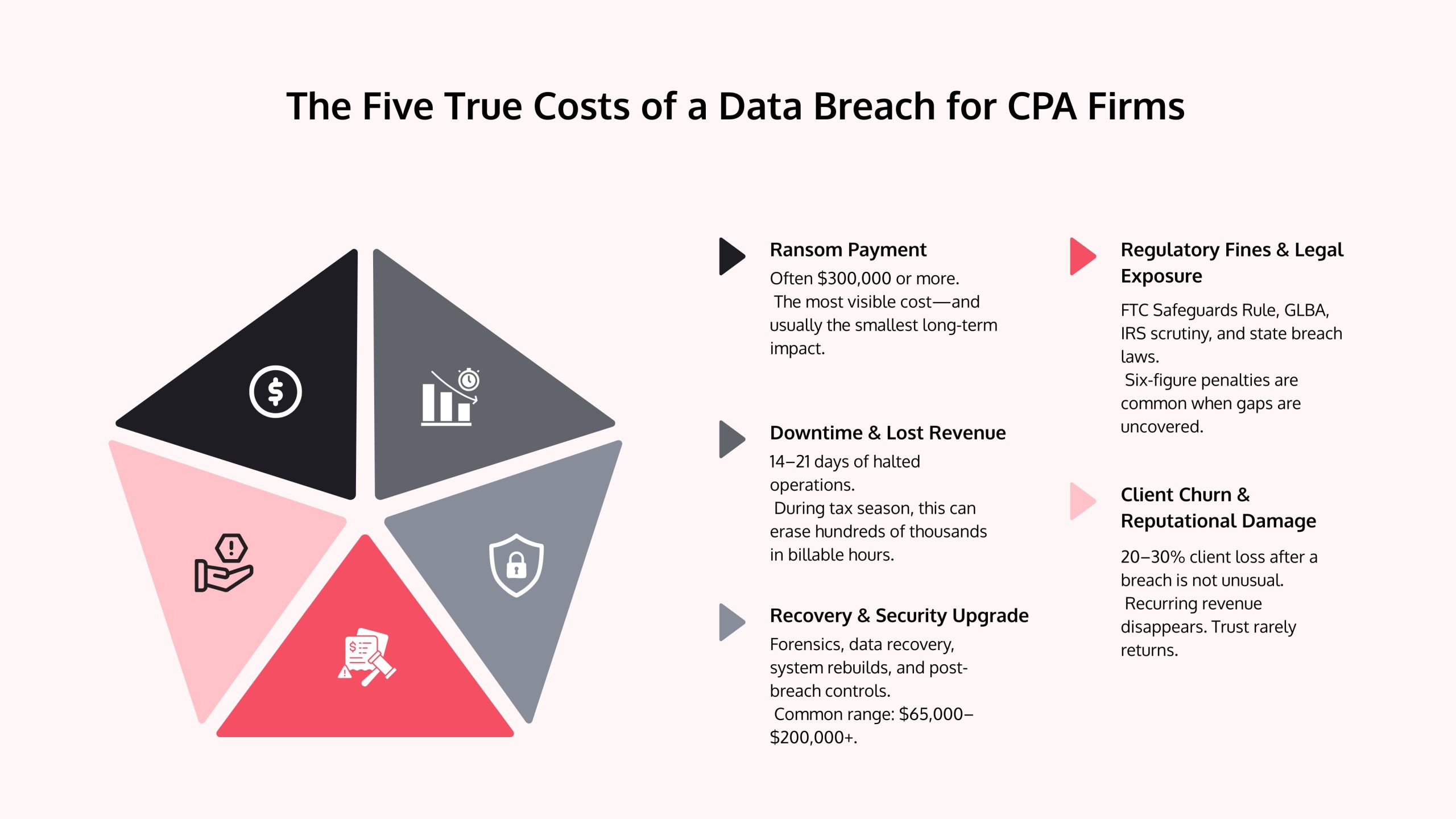
The ransom demand, often $300,000 or more, is just the beginning. System downtime averages 14 to 21 days, a period where your firm generates no revenue. For a Houston CPA firm, a two-week shutdown during tax season can mean hundreds of thousands in lost billable hours.
Recovery expenses add up quickly: forensic investigators ($15k-$50k), data recovery specialists, and new security measures ($50k-$150k). The most painful cost is client churn. Firms often lose 20-30% of their client base after a breach, as trust is nearly impossible to repair. A Katy firm losing just 30 clients could sacrifice $150,000 in recurring annual revenue. Finally, expect your cyber insurance premiums to double or triple at renewal.
The Regulatory Minefield
Attackers know that beyond operational chaos, you face a regulatory nightmare. CPA firms must comply with strict data protection laws.
- FTC Safeguards Rule: Mandates a comprehensive written information security program. A breach that exposes non-compliance can lead to six-figure fines.
- Gramm-Leach-Bliley Act (GLBA): Requires financial institutions, including many CPA firms, to safeguard client information. Breaches often reveal GLBA failures, triggering penalties.
- IRS Rules: The IRS takes data security seriously. A breach can lead to heightened scrutiny and audits of your security practices.
- Texas State Law: Texas Business and Commerce Code Sec. 521 mandates specific breach notification timelines. Failure to comply brings its own penalties.
Consider a Sugar Land firm that suffers a breach. An FTC investigation uncovers outdated security policies and imposes a $250,000 fine. A subsequent class-action lawsuit and lost clients push the total cost over $1.2 million. Prevention is far less expensive than remediation. The FTC’s Cybersecurity for Small Business page offers resources to help you build a compliant program.
Building Your Fortress: A Practical Defense Plan for CPA Firms
Preventing a ransomware attack requires a resilient defense ecosystem of technology, processes, and people. The goal is to make your firm such a difficult target that attackers move on.
Foundational Security Technology
Your technical defenses are the locks and alarms of your digital fortress. These are non-negotiable.
- Multi-Factor Authentication (MFA): Implement MFA for all access points—email, cloud apps, and VPNs. It blocks over 99% of automated attacks, acting as a second lock even if a password is stolen.
- Endpoint Detection and Response (EDR): EDR goes beyond traditional antivirus, monitoring endpoints for suspicious behavior. It can detect ransomware activity and automatically isolate an infected machine before the attack spreads across your network.
- Patch Management: A rigorous protocol for timely updates closes the known security holes that attackers exploit. The WannaCry attack spread through unpatched systems; don’t let that be you.
- Secure, Tested Backups: Follow the 3-2-1 rule: three copies of your data, on two different media, with one copy stored off-site and offline. Critically, you must test your backups regularly to ensure they are recoverable. An untested backup is a false sense of security.
- Principle of Least Privilege: Grant employees only the minimum access needed for their jobs. This contains the damage if an account is compromised. Learn more.
- Works best when: Implemented as a layered strategy, not a single solution.
- Avoid when: You lack the IT expertise to manage and monitor these tools effectively.
- Risks: Misconfiguration can create new vulnerabilities or disrupt critical workflows.
- Mitigations: Partner with a managed security service provider for expert implementation and 24/7 monitoring.
Your First Line of Defense: Employee Training
Technology can’t stop an employee from clicking a malicious link, making your staff both your greatest vulnerability and your strongest defense.
- Phishing Simulations: Send realistic fake phishing emails to your team to build practical defense skills. Provide immediate feedback to those who click, turning a weak link into a human firewall.
- Security Awareness Culture: Make cybersecurity everyone’s job. When leadership at a Houston firm prioritizes security, the entire team follows. This requires ongoing education and clear policies.
- Incident Reporting Protocols: Ensure employees know how to report suspicious activity immediately without fear of punishment. A quick report can prevent a firm-wide disaster.
- Verbal Wire Transfer Verification: Require verbal confirmation for all wire transfers using a pre-established phone number. This simple policy stops sophisticated fraud attempts, like those using AI-cloned voices, cold.
The Safety Net: Insurance and Incident Response
No firm is 100% immune. A complete strategy includes financial protection and a clear action plan.
- Cyber Insurance: This is a crucial financial safety net, but policies have strict requirements, often mandating MFA and a Written Information Security Program (WISP). Review your policy carefully to ensure adequate ransomware coverage.
- Written Information Security Program (WISP): This formal document outlines your security policies and procedures. It’s required for regulatory compliance and insurance.
- Business Continuity & Incident Response Plans (BCP/IRP): A BCP ensures you can maintain essential operations during an attack. An IRP is your step-by-step playbook for responding to an incident, detailing containment, communication, legal engagement, and recovery. A well-tested IRP can cut response time from weeks to days.
Balancing the cost is simple math. A proactive defense investment is almost always less expensive than the average breach cost of over $500,000. More importantly, it protects the client trust you’ve spent years building.
Frequently Asked Questions about CPA Firm Ransomware Attacks
When an attack hits, you need clear answers fast. Here are the most common questions we hear from CPA firms across Houston, Sugar Land, and Conroe.
Do I have to report a ransomware attack?
Yes, in most cases. Texas Business and Commerce Code Sec. 521 mandates breach notification, and you don’t get to decide if the breach was “bad enough.” Federal laws like the GLBA and FTC Safeguards Rule also require disclosure. Failure to report can trigger severe fines and lawsuits that cause more damage than the breach itself. Consult with legal counsel immediately to ensure you meet all deadlines.
Should my firm pay the ransom?
The FBI’s official guidance is clear: do not pay the ransom. Paying is no guarantee of data recovery; only 8% of businesses that pay get all their data back. Many receive faulty decryption keys. Paying also marks your firm as a willing target for future attacks and funds criminal enterprises. Instead, focus on recovery from secure, tested backups. This is faster, more reliable, and doesn’t embolden attackers.
Are cloud applications like QuickBooks Online safe from ransomware?
Not entirely. While cloud providers secure their infrastructure, the risk shifts to your access credentials. If an attacker steals your login via phishing, they can access your cloud data directly. This is why Multi-Factor Authentication (MFA) is essential for all cloud accounts. Additionally, if ransomware infects a local computer that syncs to the cloud, it can encrypt your cloud files, corrupting your backups. Cloud apps improve security, but they don’t replace the need for strong local defenses, MFA, and independent offline backups.
Secure Your Firm’s Future
The question isn’t why CPA firms are targeted, but what you will do about it. For firms in Houston, Sugar Land, and Katy, the threat is intensifying. Waiting for an attack is a gamble you can’t afford to lose, with ransoms exceeding $300,000 and regulatory fines adding to the cost.
A proactive defense is a strategic investment in your firm’s reputation and continuity. Firms that thrive treat cybersecurity as a core business function, implementing MFA, training staff, and maintaining tested backups. Over 30 years at Netsurit, I’ve seen firms transform from vulnerable targets into resilient practices. It requires commitment, but it is achievable.
Don’t wait for a crisis. Partner with cybersecurity experts to build a resilient practice that protects your clients and your bottom line. The investment you make today will pay dividends in trust and uninterrupted operations for years to come.
Explore Netsurit’s comprehensive IT services for accounting firms.