The $58 Problem: Why AI for Expense Management Is Now a Business Necessity
AI for expense management automates the full expense lifecycle — from receipt capture to reimbursement — using machine learning, OCR, and real-time policy enforcement.
Here is what it delivers:
| What AI Does | Business Result |
|---|---|
| Scans and extracts receipt data automatically | Eliminates manual data entry |
| Categorizes expenses with ~95% accuracy | Cuts errors and misclassification |
| Flags policy violations at point of purchase | Prevents fraud before it happens |
| Syncs with ERP and accounting systems | Closes books 3x faster |
| Provides real-time spend dashboards | Ends the 60% visibility gap finance leaders report |
It’s the last day of the month. Your finance team is buried in paper receipts, chasing employees for missing documentation, and manually reconciling dozens of transactions. Sound familiar?
This is not a workflow problem. It is a structural one.
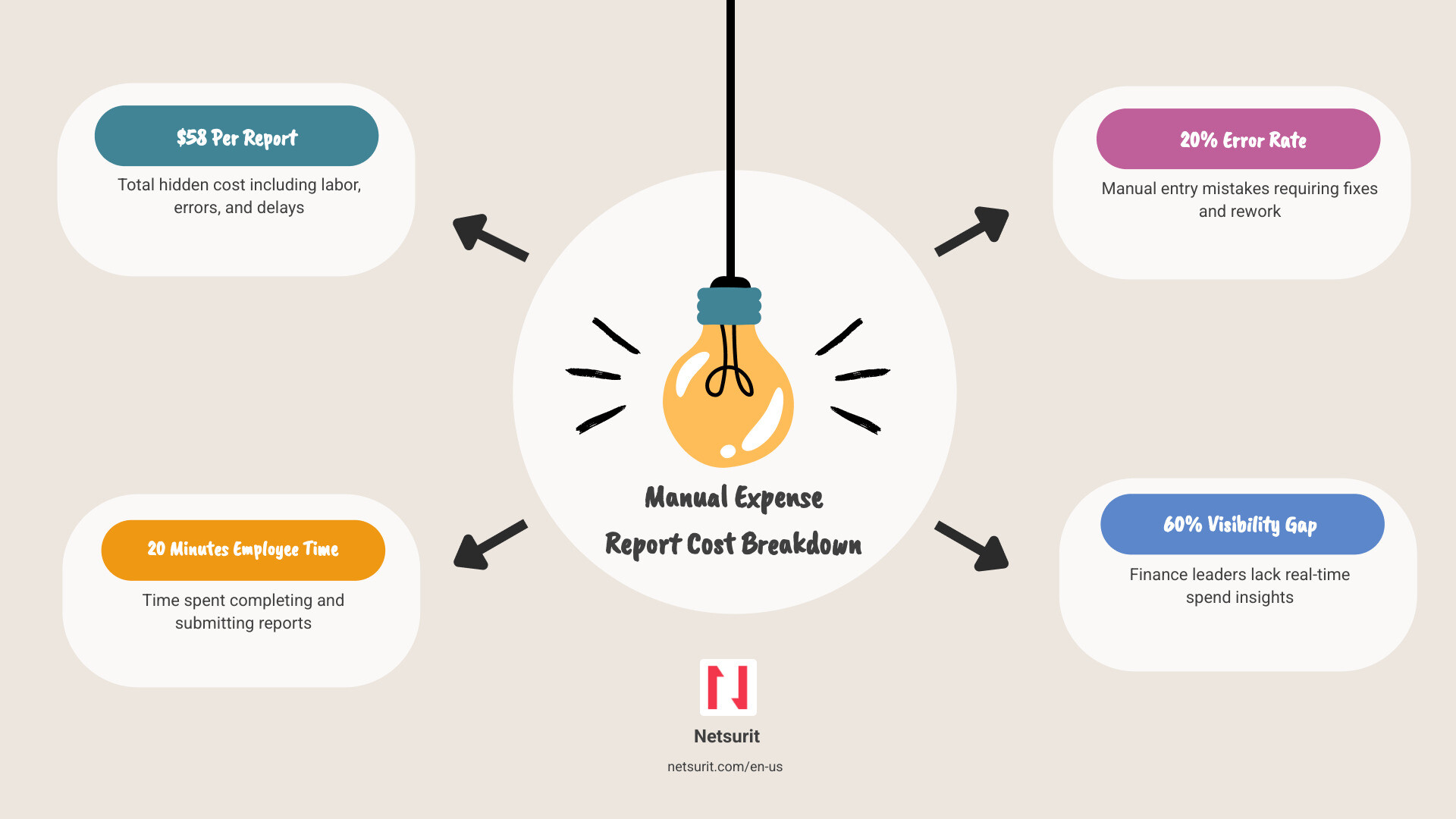
Every manual expense report costs your firm $58 to process and takes 20 minutes to complete — and nearly 1 in 5 contains errors that require additional fixes. Multiply that across 44% of your workforce now submitting expenses, and the hidden cost becomes significant fast.
The result: delayed closes, audit exposure, and a finance team stuck doing data entry instead of analysis.
AI does not just speed this up. It changes the model entirely — shifting your team from reactive paperwork to proactive spend intelligence.
This guide walks you through exactly how to make that shift.
I’m Orrin Klopper, CEO of Netsurit, and over nearly three decades of helping businesses modernize their IT and financial operations, I’ve seen how poorly managed expense workflows drain resources that firms could reinvest in growth — which is why AI for expense management is one of the first recommendations I make to finance leaders ready to stop leaving money on the table. Read on for a practical, step-by-step breakdown of how to implement it.
AI for expense management terminology:
- Automate accounts payable
- AI-powered financial analysis
- Streamline accounting processes
Why Traditional Expense Tracking Fails Modern Firms
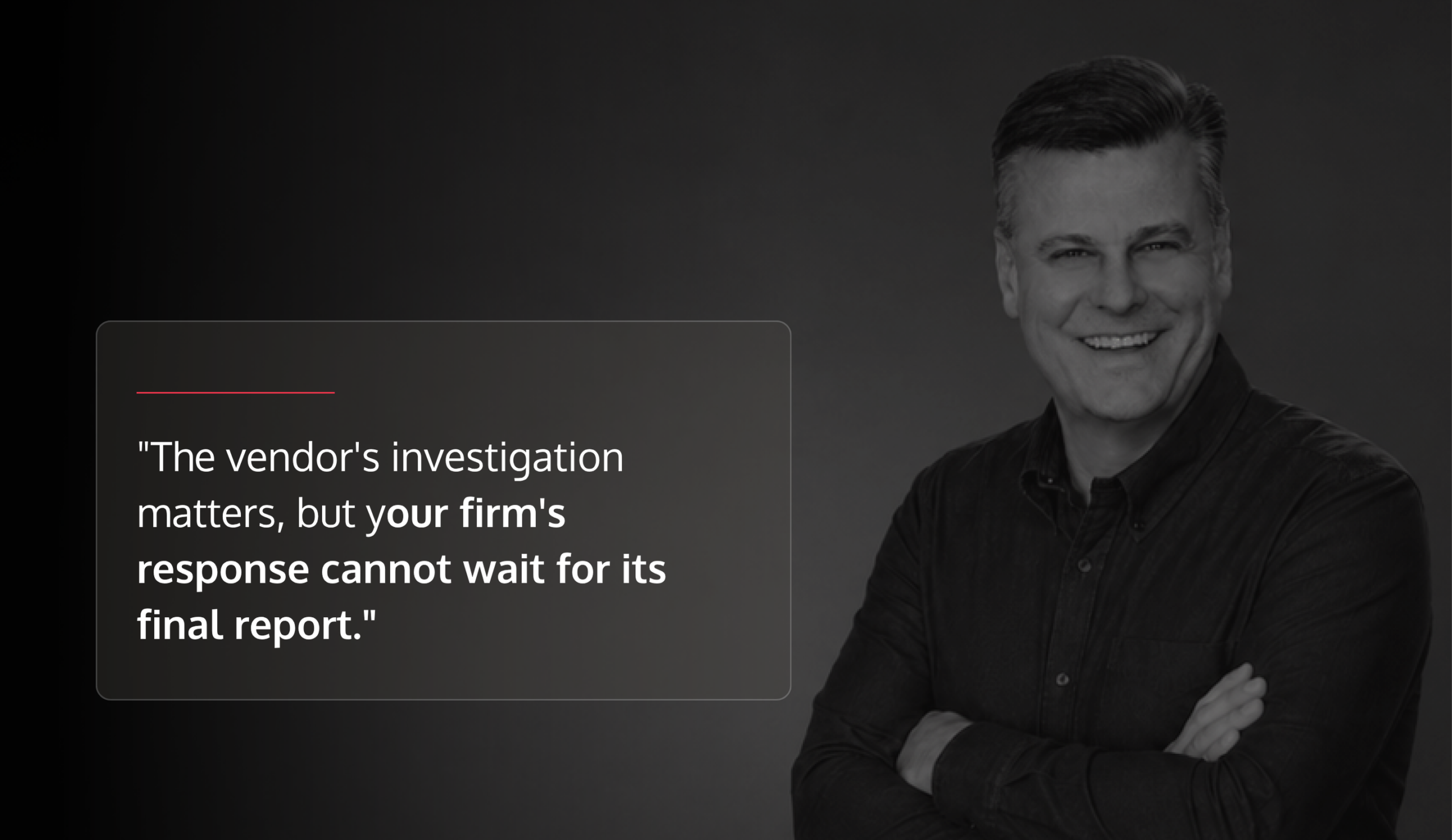
Manual expense tracking is a structural drain on profitability. When your employees spend 20 minutes wrestling with a spreadsheet for a single lunch receipt, you aren’t just losing time; you are losing billable hours. Research shows that 73% of CFOs admit their current processes are too manual, and 75% of companies agree manual tracking increases fraud risk.
The “visibility gap” is perhaps the most dangerous failure. Currently, 60% of finance executives admit they lack real-time visibility into organizational spending. You cannot manage what you cannot see until 30 days after the money has left the account. This administrative burden turns your finance team into “policy police,” straining internal relationships and slowing down AP automation efforts.
Example: A tax firm in Katy, TX, recently found they were losing 40 hours weekly. Their field auditors were collecting paper receipts across Greater Houston, and the manual reconciliation process for their corporate cards was taking three full business days every month-end.
Trade-offs: Manual vs. AI
- Works best when: You are a solopreneur with fewer than five monthly expenses.
- Avoid when: You have more than three employees or handle client-reimbursable expenses.
- Risks: Audit failure, duplicate payments, and employee resentment over delayed reimbursements.
- Mitigations: Transition to a centralized digital capture system to create a verifiable audit trail.
Core Technologies Powering AI for Expense Management
The “magic” behind AI for expense management isn’t magic at all—it’s a combination of Optical Character Recognition (OCR) and Machine Learning (ML). OCR inspects every pixel on a receipt to match shapes with characters and fonts. This allows the system to extract specific details like VAT, merchant names, and dates with Smart Receipt and Document Capture with OCR technology.
Once the data is extracted, machine learning takes over for automated categorization. By analyzing merchant information and historical spending patterns, AI achieves up to 95% accuracy in coding expenses to the right ledger. This is a primary way AI tools to reduce manual data entry in accounting firm workflows can be optimized.

Example: A Conroe-based consulting group implemented Concierge AI to manage their global travel. The AI automatically identified tourist taxes and merchant categories from receipts scanned in multiple languages, ensuring their Houston headquarters had perfect data without manual translation.
Trade-offs: OCR Limitations
- Works best when: Receipts are flat, well-lit, and printed.
- Risks: OCR misreading handwritten tips or faded thermal paper.
- Mitigations: Implement threshold-based human spot-checks for any transaction over a certain dollar amount (e.g., $500).
Achieving Real-Time Visibility with AI for Expense Management
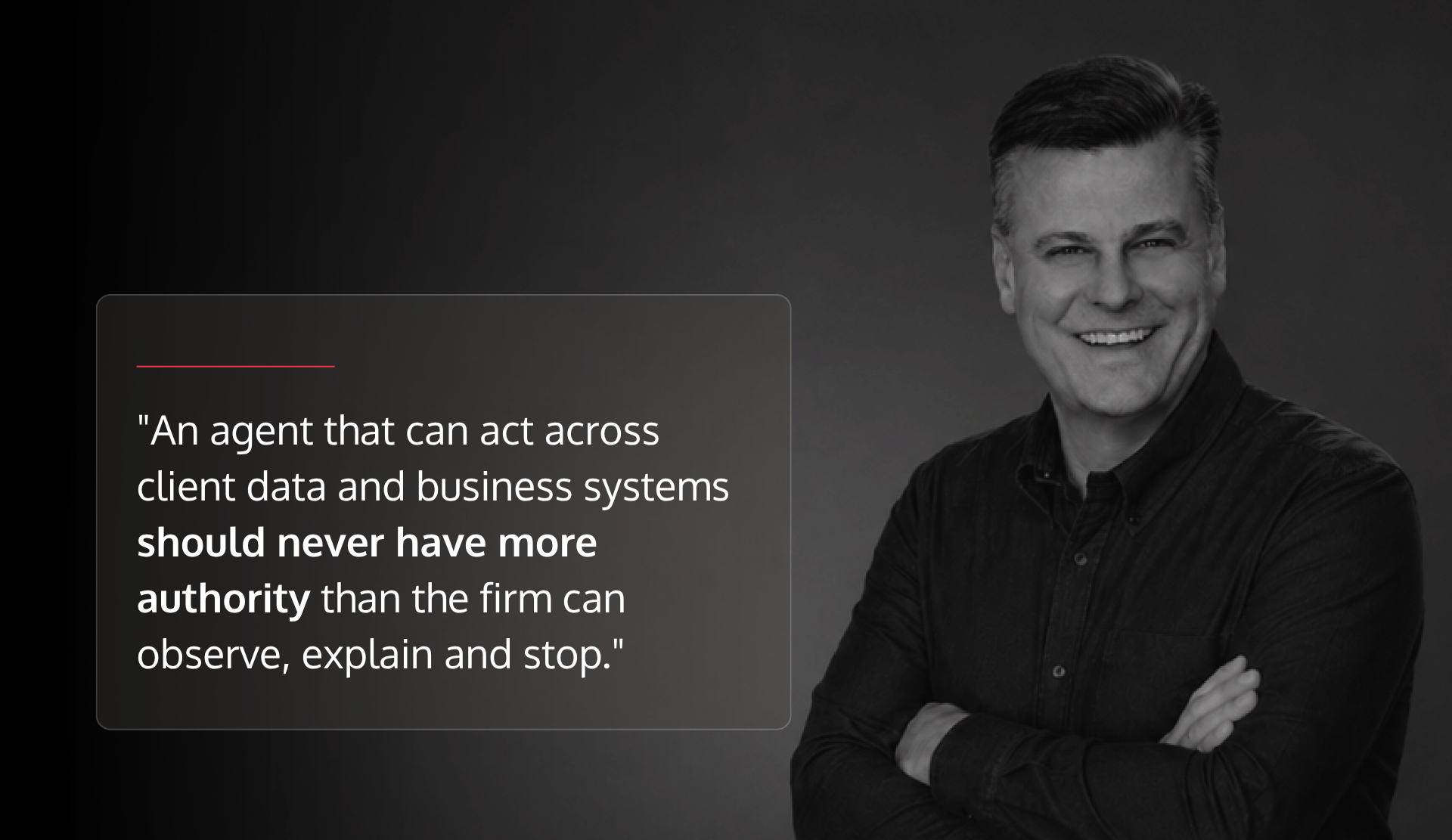
Traditional tracking is reactive; you see the spend after it happens. AI-powered systems provide instant spend dashboards and card-swipe alerts. By using an Expensify Card for real-time tracking, finance teams see expenses the moment they occur.
This enables proactive policy enforcement. Instead of rejecting a report two weeks later, the AI can flag a violation—like an out-of-policy hotel rate—the moment the card is used. For a deeper dive into these mechanics, watch our On-Demand Webinar: AI in Finance.
Future-Proofing Your Firm with AI for Expense Management
The next frontier of AI Financials & Accounting Automation includes blockchain verification to create immutable ledgers, virtually eliminating fraud. We are moving toward “paperless brilliance,” where predictive forecasting tells you what you will spend next quarter based on current trends. This allows for Budgeting Brilliance: AI for Smarter Financial Decisions rather than just recording the past.
How to Implement AI for Spend Control in 4 Steps
Transitioning to AI for expense management doesn’t require a total overhaul of your existing systems. We recommend a phased approach:
- ERP Integration: Connect your AI tool to your existing accounting software. Systems like Microsoft Dynamics 365 Business Central offer seamless ERP integrations that sync data in real-time.
- Policy Configuration: Define your rules (e.g., $50 limit for lunch, no alcohol) within the AI engine so it can enforce them automatically.
- Mobile Deployment: Roll out the mobile app to your team. The best way to ensure adoption is to show them how much faster they get paid back.
- Workflow Automation: Use the Best Way to Automate Accounting Firm Workflows with AI to route approvals based on department or project.
Example: A Sugarland accounting firm integrated AI with Business Central. They moved from a 10-day month-end close to just 3 days—a 70% reduction—by eliminating manual data entry for their 25-person team.
Implementation Trade-offs
- Works best when: Your firm uses integrated corporate cards rather than personal card reimbursements.
- Risks: Employee pushback on perceived “surveillance.”
- Mitigations: Frame the change as “faster reimbursements” and “less paperwork” rather than “monitoring.”
Measuring ROI and the Future of Spend Intelligence
The return on investment for AI for expense management is usually visible within the first 90 days.
| Metric | Manual Process | AI-Powered Process |
|---|---|---|
| Cost Per Report | $58 | < $10 |
| Processing Time | 20 Minutes | < 2 Minutes |
| Error Rate | 20% | < 5% |
| Compliance Rate | ~75% | 99% |
| Month-End Close | 7-10 Days | 2-3 Days |
By 2027, we expect to see “invisible expensing.” This is where the AI recognizes your location at a client site in Houston, matches the GPS data to a calendar event, and automatically creates the mileage and meal expense without you ever opening an app. This is how we use AI to the Rescue: Fixing Your Business Problems with Smart Tech.
Frequently Asked Questions
How does AI detect duplicate expenses?
AI uses pattern recognition to cross-reference merchant names, dates, and exact amounts across all employees. It can even detect if an employee splits a single large expense into two smaller ones to stay under a “no-receipt-required” threshold. Advanced tools like MindBridge for Expense Management can even flag potential collusion between managers and subordinates.
Can AI enforce complex travel policies?
Yes. You can program highly specific, customizable rules into the AI. For example, you can set different per-diem rates for Houston versus New York or require a pre-approval for any flight over $500. The AI provides real-time flags at the point of purchase. You can learn more about travel expense reimbursement to see how these rules apply to your specific industry.
What is the typical ROI timeframe for AI adoption?
Most firms see a positive ROI within 3 to 6 months. Key wins include a 95% reduction in finance overhead and 80% faster reimbursement cycles, which significantly boosts employee morale.
Conclusion
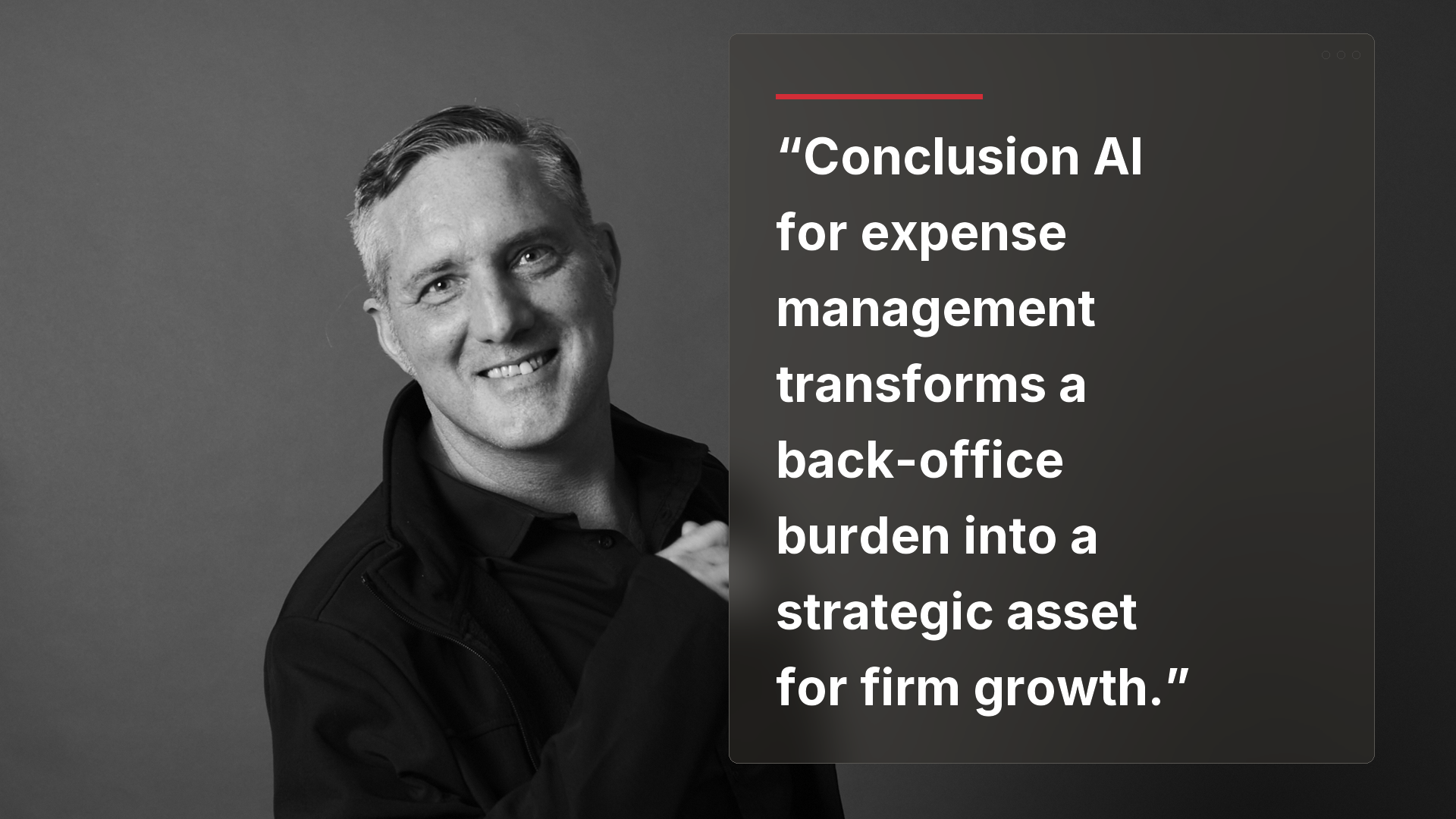
AI for expense management transforms a back-office burden into a strategic asset for firm growth. By automating the mundane, you allow your finance team to focus on high-level advisory work that drives revenue. Netsurit provides the IT foundation and AI expertise to help Houston-area firms in Sugarland, Conroe, and Katy crush downtime and automate financial workflows.
Ready to Work Smarter? Let’s Talk AI