


AI Executive Sessions SA, Real Adoption Insights
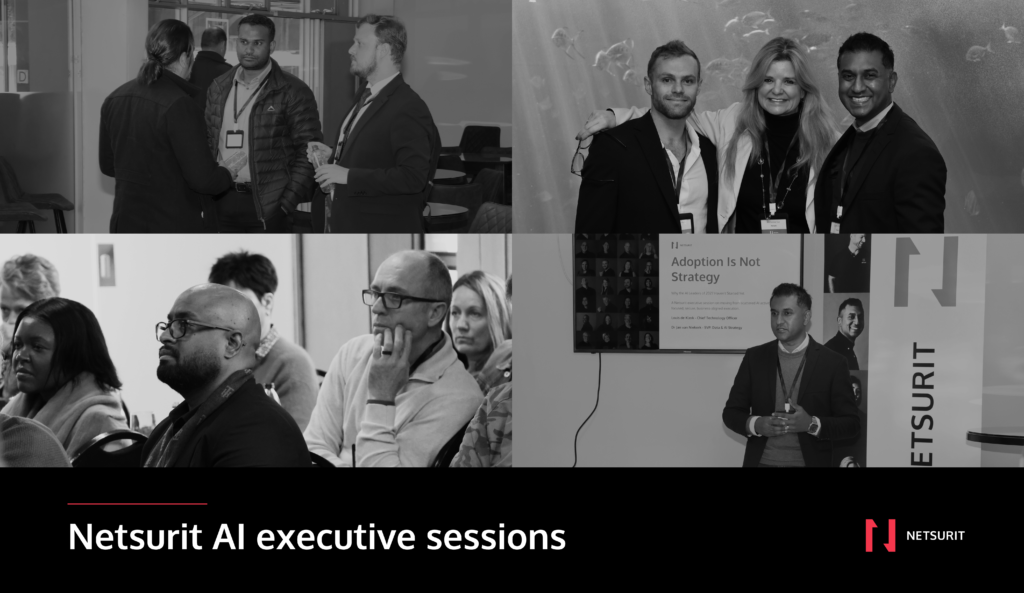
Kicking the year off with exciting conversation, Netsurit concluded two in-person executive sessions in Cape Town and Pretoria, bringing executives and IT leaders together for discussions on what AI is actually changing inside organisations, and what needs to change next.
Hosted under the theme “Is AI worth the hype?”, the events focused on practical adoption, governance, and the shift many organisations are facing as AI moves from “assistive tools” into workflow loops that can draft, review, test, and iterate before humans step in with judgement.
At both events, Netsurit CTO Louis de Klerk argued that the biggest shift in enterprise AI isn’t that tools have improved, but that organisations are starting to build “loops” where AI can generate, evaluate, refine, and repeat before a human steps in to apply judgement, which changes how work moves through the business. He cautioned that many companies are getting uneven results because they’re bolting AI onto inherited operating models with the same silos, approvals, and unclear ownership. He further pointed to a key leadership reality: AI makes cognitive work cheaper, but it makes human accountability more important, because someone still has to decide what’s safe, correct, and worth acting on.
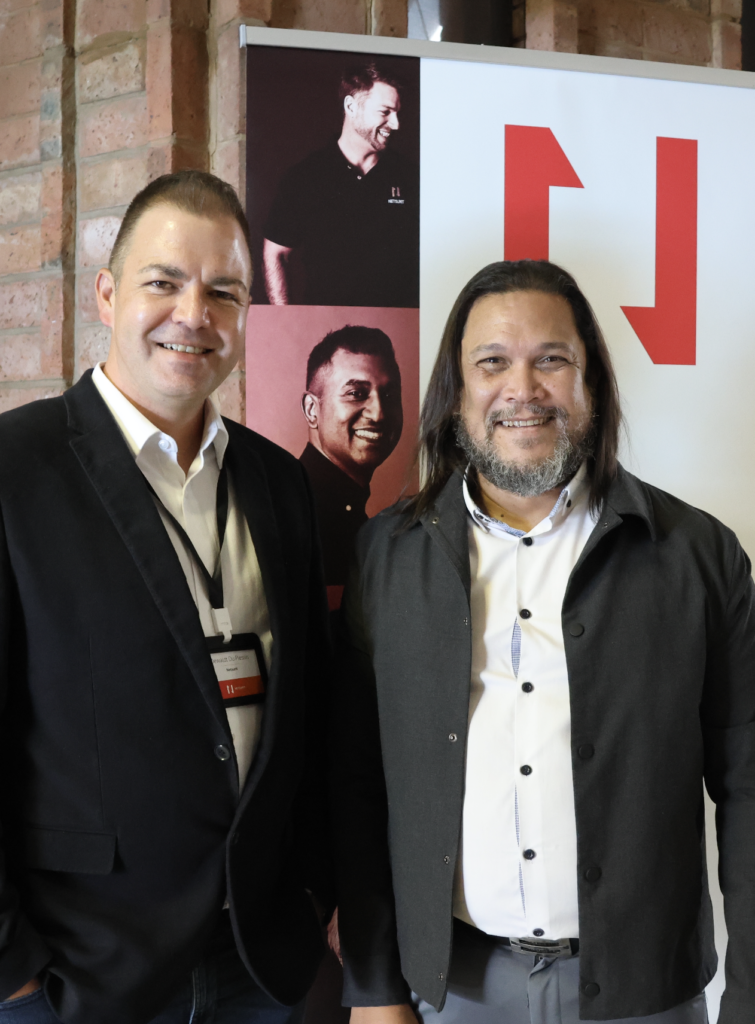
The Cape Town breakfast took place at Rooftop On Bree on 12 February, featuring a Netsurit introduction by Eugene Perumal, Managing Director, Netsurit South Africa, followed by a session led by De Klerk on the current state of AI and practical tools, including Microsoft Copilot in action.
The Pretoria breakfast followed at Loftus Versfeld on 18 February 2026, combining a working session on real-world AI adoption with a stadium tour, reinforcing the event message that execution, not experimentation, separates organisations that benefit from AI from those that simply talk about it.
“Many organisations are trying to bolt AI onto operating models that were designed around human constraints: slow handoffs, siloed decisions, and unclear ownership,” said De Klerk. “The real value comes when leaders treat AI as a coordination layer and redesign workflows around it. AI will accelerate whatever you already have, so if your processes are messy, you’ll hit the bottleneck faster.”
De Klerk added that governance and clarity matter as much as tools: “As AI increases output, judgement becomes the scarce resource. You can delegate more cognitive labour, but you cannot delegate accountability. That’s why leaders need to be explicit about where AI can act, where humans must review, and what evidence is required for decisions to be defensible.”
Eugene Perumal, Managing Director of Netsurit South Africa, said the sessions reflect a broader shift in executive conversations. “Most leadership teams have moved past ‘should we look at AI?’ The question now is ‘how do we use it safely and practically, without disrupting the business?’ These events were designed to cut through noise, show what real adoption looks like, and help leaders think in terms of operating change, not just technology change.”
Both sessions positioned AI enablement as more than training or tooling, highlighting the need for organisations to update processes, policies, and ownership models as AI becomes embedded in daily work.
Netsurit confirmed it will continue hosting executive forums across South Africa, focused on practical use cases for AI and Automation, change management, and the adoption of security-by-design.



Frequently Asked Questions
- What were Netsurit AI Executive Sessions about?
The sessions focused on how organisations are moving from AI experimentation to real adoption, covering governance, workflow transformation, and practical implementation of AI tools in business operations. - Why is AI adoption challenging for many organisations?
Many organisations struggle because they try to add AI into outdated processes with silos and unclear ownership, which limits the impact and creates inefficiencies. - What does it mean to use AI in workflow loops?
AI workflow loops refer to systems where AI can generate, evaluate, refine, and repeat tasks before a human applies final judgement, improving efficiency and output quality. - How does AI impact leadership and accountability?
AI reduces the cost of cognitive work, but increases the importance of human accountability, as leaders must ensure decisions are safe, accurate, and aligned with business goals. - What role does governance play in AI adoption?
Governance ensures that AI is used responsibly, with clear rules on where AI can act, where human review is required, and how decisions are validated. - How can businesses start using AI practically?
Businesses should begin by identifying high impact use cases, integrating AI into workflows, and aligning teams with clear ownership and processes rather than focusing only on tools. - What tools were discussed during the sessions?
The sessions included practical demonstrations of AI tools such as Microsoft Copilot, showing how they can be applied in real business scenarios. - What is the key takeaway from the Netsurit AI sessions?
The key takeaway is that successful AI adoption requires operational change, not just technology adoption, with a focus on execution, governance, and workflow redesign.
