Why Cybersecurity Is Now a Business Leadership Issue, Not Just an IT Problem
Cybersecurity affects operations, finances and customer trust. Discover why South African business leaders must take ownership of cyber risk.
Main Takeaways
- Cybersecurity is a leadership responsibility because cyber incidents can disrupt operations, affect revenue, expose sensitive information and damage customer trust.
- IT teams manage technical security controls, while business leaders determine risk tolerance, investment priorities and continuity requirements.
- Effective cyber risk management starts with identifying the systems, information and processes essential to business operations.
- South African organisations must consider cybersecurity alongside POPIA, governance and their responsibilities towards customers and employees.
- A strong cybersecurity strategy connects security investment with productivity, operational resilience and long-term business performance.
Cybersecurity is a business leadership issue because cyber threats can disrupt operations, affect revenue, expose sensitive information and damage customer trust. While IT teams manage technical security measures, business leaders are responsible for deciding which risks the organisation can tolerate, where to invest and how the business will respond when an incident occurs.
Executives do not need to become cybersecurity experts to make those decisions. A CEO does not need to understand the finer points of endpoint detection and response and a CFO should not need to know how to configure a firewall.
Leadership does, however, need to understand how long the business could continue operating if its main systems went offline, which information a compromised account could expose and which operations need to come back online first after an incident.
Those decisions sit with business leadership.
A useful cybersecurity strategy in South Africa starts with the organisation itself. Instead of treating security as a collection of technical tools sitting somewhere inside the IT department, leaders can look at how the business works, where an incident could cause the most damage and how technology can reduce that exposure.
IT Can Manage the Security While Leadership Owns the Risk
Imagine a business discovering ransomware on part of its network on a Monday morning. The technical team can investigate the attack, isolate affected systems and begin recovery work. However, the consequences can quickly extend beyond IT.
Employees may lose access to essential applications, customers may struggle to place orders and finance teams may be unable to process payments. The organisation could also face the possibility of exposed customer or employee information.
The technical team can explain what has happened and recommend the appropriate security response. However, leadership must make the wider business decisions concerning operational continuity, stakeholder communication, recovery priorities and resource allocation.
The same principle applies before an incident occurs. IT can identify an outdated system or vulnerability, but leadership needs to understand what exploiting that weakness could mean for the organisation.
A vulnerability affecting a rarely used internal application carries a different level of commercial risk from one affecting the platform the entire sales team relies on daily. Cyber risk management connects technical weaknesses to their potential impact on revenue, operations, customers and employees. Leaders can then prioritise the risks that matter most instead of treating every security issue as equally serious.
The NIST Cybersecurity Framework 2.0 reinforces this approach by placing governance alongside identifying, protecting, detecting, responding and recovering. Its focus on roles, responsibilities, policies and risk strategy positions cybersecurity within wider organisational decision-making.
Start With What the Business Cannot Afford to Lose
One of the most useful cybersecurity exercises a leadership team can undertake is identifying the systems, information and processes the organisation depends on most. Losing its point-of-sale system could prevent a retailer from processing transactions. A law firm could have functioning computers but no access to the case files needed to serve clients. A manufacturer might maintain email connectivity while a disruption to operational systems brings production to a halt. Similarly, a professional services company may depend on Microsoft 365, SharePoint and cloud applications for almost everything its employees do.
Once leaders understand these dependencies, security investment becomes easier to prioritise. The conversation shifts from purchasing another cybersecurity product to protecting the systems that keep the business operating.
Downtime also becomes easier to assess when its consequences are measurable. Ten employees losing access to a system for an hour may cause inconvenience. Two hundred employees losing access for two days could affect deadlines, customer commitments, revenue and productivity. Add technical recovery costs, and the financial consequences can increase significantly.
An effective IT disaster recovery strategy also helps businesses establish how critical systems will be restored when disruption occurs.
These assessments give cybersecurity investment a clear business purpose, helping leadership allocate resources according to operational priorities and potential financial impact.
Cybersecurity Spending Needs a Business Reason Behind It
Businesses rarely have unlimited IT budgets, making blanket calls for increased cybersecurity spending unhelpful. Leadership teams need to understand what they are paying for and which risks those investments reduce.
A company dealing with regular phishing attempts may need stronger email protection and employee awareness measures. A business that would lose substantial revenue during an outage may need to prioritise backups, recovery and system resilience. Rapid growth can create different challenges when employees accumulate access to files, systems and applications they no longer need.
Security software only addresses part of the picture. A company can have excellent security technology while giving too many employees administrator access. It can run regular backups without checking whether those backups can restore critical systems within a useful timeframe. Employees can complete annual security awareness training and still approve a suspicious login request when rushing between meetings.
A stronger cybersecurity strategy considers technology, people and processes together, ensuring investment addresses the risks the organisation actually faces.
Leaders Need Cybersecurity Information They Can Use
Security reports can quickly become a sea of technical metrics. Thousands of blocked threats, installed patches and investigated alerts may show that the security team is busy, but those figures do not necessarily tell leadership whether the organisation is safer.
Services such as Netsurit Cyber Security Operations can help organisations improve threat monitoring and visibility across their IT environments.
Business leaders need information they can use to make informed decisions. Security reporting should identify serious unresolved vulnerabilities, systems that would take the longest to recover and whether recovery plans have been tested.
Leaders should also have visibility over access to sensitive information, emerging areas of exposure and progress in addressing known security risks. This allows them to assess potential business disruption and determine where additional investment or intervention may be necessary.
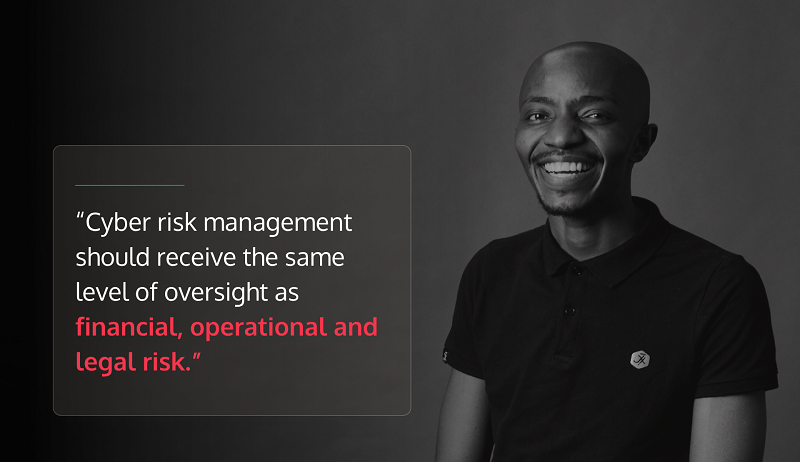
This also strengthens accountability. Leadership does not need to inspect every security alert, but executives should know that serious risks have been identified, that someone is responsible for addressing them and that the organisation has an appropriate response plan. Cyber risk management should receive the same level of oversight as financial, operational and legal risk.
A Cyber Incident Rarely Stays in the IT Department
A compromised Microsoft 365 account can start as a relatively contained technical problem. The consequences can spread quickly if an attacker uses that account to read emails, access documents, impersonate an employee or send convincing payment instructions to colleagues and suppliers.
Finance may need to verify whether payment details have changed. Employees may need guidance on whether messages sent from the compromised account can still be trusted. Customers or suppliers may require communication, while management must determine what information the attacker accessed and whether the incident creates additional legal or regulatory obligations.
One compromised login can create work across several parts of an organisation.
This is why recovery deserves as much attention as prevention. Businesses should invest in keeping attackers out, but no security programme can guarantee that every attack will be stopped. Leadership must also understand how the organisation will maintain essential operations and recover when an incident occurs.
South African Businesses Have Governance Responsibilities Too
Under the Protection of Personal Information Act (POPIA), organisations responsible for processing personal information must implement appropriate safeguards to protect their integrity and confidentiality. POPIA also addresses security compromises and the circumstances in which affected individuals and the Information Regulator must be notified.
Personal information appears across the business. HR teams hold employee records. Sales and marketing teams manage customer and prospect information. Finance teams handle payment details. Operational teams may work with information belonging to customers, suppliers and other stakeholders. Leadership needs visibility over where that information sits, who can access it and how the organisation protects it.
The same thinking applies to corporate governance. South Africa's King V corporate governance framework reinforces the importance of ethical leadership, accountability and organisational oversight. Cybersecurity therefore belongs in wider leadership discussions about business risk, technology governance, compliance and operational continuity.
AI Has Made the Leadership Conversation More Urgent
Employees can access AI tools through a browser and begin using them within minutes. They might summarise reports, analyse spreadsheets, review information or draft emails. However, security risks emerge when employees upload customer information, internal documents or commercially sensitive material to personal or unapproved AI accounts.
Banning AI outright does not necessarily eliminate these risks. Employees who find the technology useful may continue using it without approval, leaving the organisation with less visibility over how information is handled. A more strategic approach provides employees with approved tools while maintaining appropriate oversight.
Netsurit's Secure AI offering provides controlled access to more than 60 AI models, alongside governance capabilities, audit visibility and data protection measures. Netsurit's AI Security Optimisation for Claude also uses Microsoft Entra ID to support access through company-managed identities rather than unmanaged personal accounts.
This demonstrates how cybersecurity can support productivity rather than restrict it. Employees can use tools that help them work more efficiently, while the organisation maintains greater oversight of access, information security and responsible AI adoption.
Cybersecurity and Productivity Are More Closely Connected Than They Look
Security sometimes develops a reputation for slowing employees down. Additional passwords, approvals and controls can create frustration when poorly implemented. However, a well-designed security environment can support productivity and make everyday operations more efficient.
Reliable systems reduce interruptions, while effective identity management helps employees access the tools they need without creating unnecessary security exposure. Proactive monitoring can identify potential problems before they disrupt productivity. This connection between security and everyday business operations is central to Netsurit's broader technology services.
How Business Leaders Can Strengthen Cyber Risk Management
Taking ownership of cybersecurity does not mean executives need to manage technical security systems. It means establishing clear priorities, accountability and oversight.
- Identify critical business dependencies. Determine which applications, information and operational processes are essential to serving customers, generating revenue and maintaining productivity.
- Assess risk in business terms. Understand how a security incident could affect financial performance, employee productivity, customer relationships and regulatory obligations.
- Assign clear responsibilities. Ensure serious vulnerabilities have accountable owners and that leadership receives regular updates on progress.
- Test business continuity and recovery plans. Confirm that essential systems can be restored within acceptable timeframes and that employees understand their responsibilities during an incident.
- Review security alongside business strategy. Reassess cybersecurity priorities when the organisation introduces new technologies, expands operations or changes how employees work.
These steps help turn cybersecurity from a collection of technical activities into a coordinated approach to protecting business performance.
Put Cyber Risk on the Leadership Agenda
IT will always play a role in securing an organisation's technology, but the risks created by that technology stretch much further. Cybersecurity affects whether employees can work, whether customers can transact, whether sensitive information stays protected and how quickly an organisation can recover from disruption. Leadership has a direct stake in each of those outcomes.
Netsurit helps organisations connect these priorities through managed IT, cybersecurity and long-term technology strategy. Its services include proactive monitoring and support, vulnerability management, incident response, vCISO guidance and secure AI adoption, helping businesses strengthen resilience while supporting everyday operations.
Organisations reviewing their cybersecurity strategy in South Africa should start with their business priorities. Identify the systems, information and processes you cannot afford to lose, assess their exposure to potential threats and establish how quickly critical operations could recover from disruption.
Speak to Netsurit about building a cybersecurity strategy that supports business continuity, reduces security risk and aligns technology investment with your organisation's long-term goals.
Build a Stronger Cybersecurity Strategy
SPEAK TO NETSURITFrequently Asked Questions
Why should business leaders be involved in cybersecurity?
Business leaders should be involved in cybersecurity because cyber threats affect financial performance, business continuity, customer trust and regulatory compliance. While IT teams manage technical security measures, executives are responsible for determining acceptable risk levels, approving security investments and ensuring the organisation can respond effectively to incidents. A strong cybersecurity strategy in South Africa requires leadership oversight, clear accountability and alignment between security priorities and business objectives.
What should a cybersecurity strategy in South Africa include?
A cybersecurity strategy in South Africa should include risk assessments, access management, data protection, employee security awareness, threat monitoring, incident response and disaster recovery planning. Organisations should also consider their obligations under the Protection of Personal Information Act (POPIA). Effective strategies prioritise business-critical systems, establish clear responsibilities and regularly evaluate security controls to protect operations, sensitive information and customer relationships.
How does cyber risk management support business continuity?
Cyber risk management supports business continuity by identifying potential security threats, assessing their operational and financial impact and establishing measures to reduce disruption. Businesses can prioritise essential systems, implement reliable backups, develop incident response procedures and test recovery plans. This helps organisations maintain critical operations during cyber incidents, minimise downtime and restore services within acceptable timeframes.
How often should businesses review their cybersecurity strategy?
Businesses should formally review their cybersecurity strategy at least annually and whenever significant organisational or technological changes occur. Additional reviews may be necessary following security incidents, regulatory developments, infrastructure upgrades or the introduction of new technologies such as artificial intelligence. Regular vulnerability assessments, security monitoring and recovery testing help organisations identify emerging risks and maintain appropriate protection as business requirements evolve.
What are the biggest cybersecurity risks facing South African businesses?
South African businesses face cybersecurity risks including ransomware, phishing, business email compromise, credential theft, data breaches and unauthorised access to sensitive information. Poor access controls, outdated software and insufficient employee awareness can increase exposure. Organisations using cloud platforms and AI tools must also consider data leakage and identity-related risks. A risk-based cybersecurity strategy helps businesses identify their most significant vulnerabilities and implement appropriate safeguards.
What is the role of the CEO and board of directors in cybersecurity?
The CEO and board of directors are responsible for overseeing cybersecurity as part of broader organisational risk management. Their responsibilities include establishing risk tolerance, approving appropriate resources, assigning accountability and ensuring business continuity arrangements are in place. They should receive meaningful cybersecurity reports that explain potential operational and financial consequences. Technical implementation remains with IT and security specialists, while leadership provides strategic direction and oversight.
How does POPIA affect cybersecurity responsibilities in South Africa?
The Protection of Personal Information Act (POPIA) requires responsible parties to implement appropriate technical and organisational safeguards to protect personal information against loss, unauthorised access and unlawful processing. Organisations must identify foreseeable security risks, maintain appropriate safeguards and respond to security compromises. Where notification requirements apply, the Information Regulator and affected data subjects must be informed in accordance with the Act. Cybersecurity governance therefore plays an important role in protecting personal information and supporting regulatory compliance.
How can businesses improve cybersecurity without affecting employee productivity?
Businesses can improve cybersecurity while maintaining productivity by implementing practical security controls that support everyday operations. These include multifactor authentication, centralised identity management, role-based access, automated security monitoring and approved AI tools. Regular employee training and clearly defined security procedures can reduce risks without introducing unnecessary complexity. Managed cybersecurity services can also help organisations strengthen protection, detect threats and maintain reliable access to business-critical systems.